
Sudden severe dizziness or vertigo, especially with slurred speech, weakness, double vision, a severe headache, or trouble walking, needs emergency care now, because those signs can mean a stroke. Call 911 for any of them. For severe dizziness or spinning without those red flags, the ER for vertigo at Plano ER stays open 24 hours a day as a no-wait walk-in ER, with neurological exams and CT imaging on-site. Most patients see a doctor in about 2 to 3 minutes.

Go to the dizziness emergency room when dizziness comes on suddenly and severely, will not stop, or arrives with warning signs of a stroke or heart problem: slurred speech, one-sided weakness or numbness, double vision, a severe headache, chest pain, fainting, or trouble walking. Any of these turns dizziness into an emergency, and together they are the clearest guide to when to go to the ER for dizziness.
Most dizziness has a harmless cause and passes on its own within moments, which is why it is easy to brush off, but knowing when to go to the ER for dizziness matters because a small share of cases are serious and rarely does a benign spell need an emergency room visit. The reason this page focuses on the emergency signs is that a small share of cases come from something serious, like a stroke affecting the balance centers of the brain, a heart rhythm problem, or severe dehydration.
The symptoms that travel alongside the dizziness are what tell the two apart, and when any red flag is present, the safe move is to be seen right away rather than wait for it to pass. Age and health history tip the scale too. Sudden dizziness in an older adult, or in anyone with high blood pressure, diabetes, an irregular heartbeat, or a prior stroke, deserves a lower threshold to come in, since those are the people in whom a dangerous cause is more likely.
Dizziness with stroke symptoms is a medical emergency, and it means calling 911 rather than driving. The warning signs to act on are a drooping face, weakness or numbness on one side, slurred or confused speech, sudden double vision or vision loss, a severe headache with no clear cause, and sudden trouble with balance or walking.
A stroke can affect the parts of the brain that control balance, so dizziness or vertigo is sometimes the first or loudest symptom, which is exactly why it can be missed at home. What separates a dangerous cause from a harmless one is the company it keeps.
Dizziness on its own, without any of the signs above, is usually not a stroke, but dizziness with even one of them needs emergency evaluation and imaging without delay. The time the symptoms began matters a great deal for treatment, so note it if you can. When in doubt, treat the combination as an emergency and call 911.
One clue clinicians pay attention to is how the dizziness behaves: a dangerous cause often brings constant dizziness at rest along with those neurological signs, while many inner-ear causes flare with head movement and ease when you hold still. That pattern is not something to self-diagnose, but it is worth describing at triage, since it helps the team focus quickly.

Dizziness is a broad term for feeling lightheaded, unsteady, or faint, while vertigo is the specific sensation that you or the room is spinning. The distinction helps point toward the cause, since spinning vertigo often comes from the inner ear, and lightheadedness more often comes from blood pressure, hydration, or the heart.
| Feature | Lightheadedness | Vertigo |
|---|---|---|
| What it feels like | Faint, woozy, about to pass out | You or the room is spinning |
| Common triggers | Standing up, dehydration, low blood sugar | Head movements, inner-ear problems |
| Often points to | Blood pressure, heart, hydration | Inner ear, balance system, brain |
| Warning version | Fainting, chest pain, palpitations | Vertigo with stroke signs, that will not stop |
Both kinds can be harmless or serious depending on what comes with them. The emergency team uses the pattern, the triggers, and a focused exam to sort out which system is involved and whether the cause is one that needs urgent treatment. It helps to describe your experience in plain words rather than reaching for the medical term, since saying the room spins, or that you feel like you might faint, tells the team more than the label does.

Sudden dizziness and vertigo causes range from very common and harmless to rare and serious. The frequent ones include inner-ear problems, dehydration, low blood sugar, a drop in blood pressure on standing, anxiety, and medication effects. The dangerous ones include stroke, a heart rhythm problem, and severe infection.
● Inner-ear conditions, which cause brief spinning with head movement or a longer spell with nausea
● Dehydration, common in Texas heat, illness, or after poor fluid intake
● Low blood sugar, especially in someone with diabetes
● A drop in blood pressure when standing up quickly
● Heart rhythm problems, which can reduce blood flow to the brain
● Anxiety or panic, which can cause lightheadedness and a racing heart
● Medication side effects or a recent dose change
● Stroke affecting the balance centers of the brain, the emergency to rule out
Because the list spans everything from a quick fix to a true emergency, the value of an evaluation is in sorting them quickly. On-site labs, an EKG, and imaging let the team confirm the harmless causes and catch the dangerous ones in the same visit. This is the real advantage of being evaluated rather than guessing.
A cause as simple as dehydration and one as serious as a stroke can start with the same lightheaded feeling, and only a focused exam and the right tests can tell them apart with confidence.
At Plano ER, the first priority is to rule out the dangerous causes, then to treat the symptom and settle the cause. Because Plano ER is walk-in only, you are roomed at once and most patients meet a board-certified emergency physician in about 2 to 3 minutes. Here is how a typical visit runs.
1. Vital signs and blood sugar. The team checks blood pressure lying and standing, heart rate, oxygen, and a quick blood sugar, since several common causes show up here.
2. Neurological exam. A focused exam of speech, vision, eye movements, strength, and balance looks for any sign of a stroke.
3. EKG and monitoring. A tracing checks the heart rhythm, since an arrhythmia can cause dizziness and fainting.
4. On-site labs. Blood work checks for dehydration, anemia, electrolyte problems, and infection, with results in minutes.
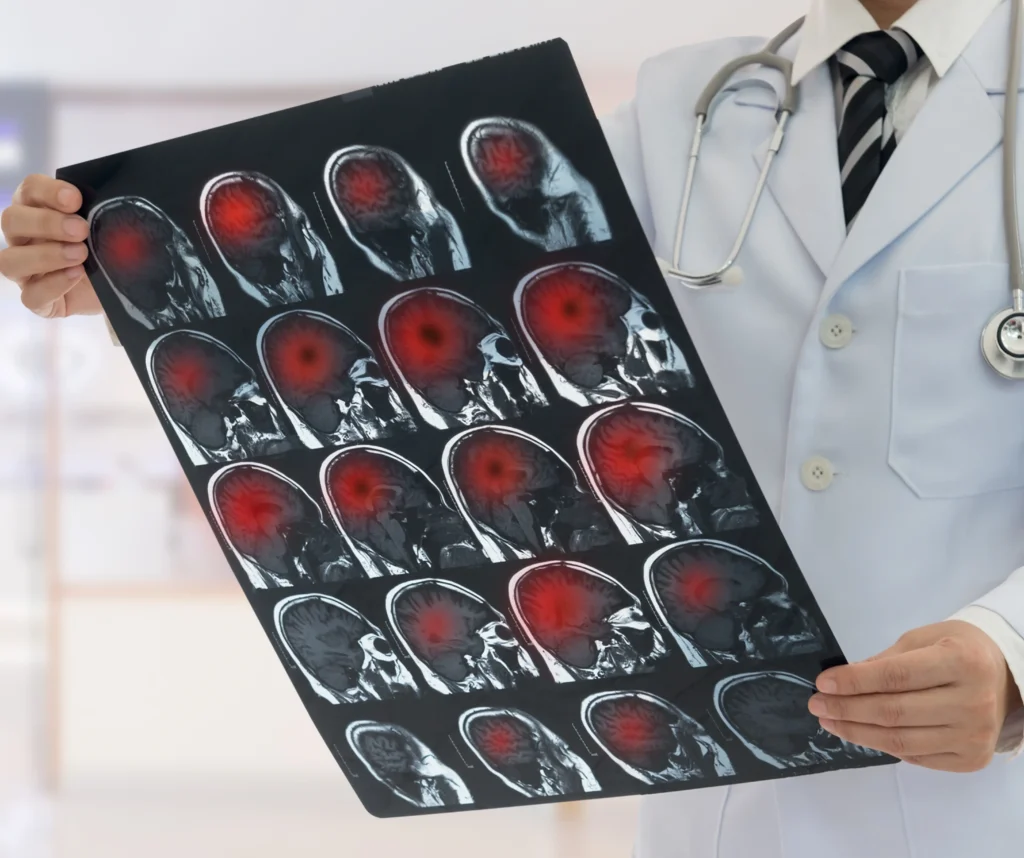
5. CT imaging when needed. When the exam or symptoms raise concern for a stroke or bleed, a CT scan is done and read during the visit.
6. Treatment. Care may include IV fluids for dehydration, medication to calm severe vertigo and nausea, and treatment for the specific cause found, so you leave feeling steadier than you arrived.
As a freestanding emergency room, Plano ER is built to sort dizziness quickly and safely: immediate evaluation, a neurological exam, imaging, and stabilization, 24 hours a day. Your visit follows a clear path.
You arrive and are seen right away, our team stabilizes you and eases the symptom, and testing separates the harmless causes from the serious ones. If the cause needs specialist or inpatient care, such as a stroke, we stabilize you first and coordinate a fast transfer to a stroke-ready hospital, with the handoff arranged on your behalf. Most patients whose cause is benign go home the same day with a plan.


Severe vertigo that won’t stop is worth an emergency visit even without stroke signs, because relentless spinning brings vomiting and dehydration and because the team needs to confirm the cause is the inner ear and not the brain. When the room will not stop moving, standing, walking, and keeping fluids down all become impossible.
In the emergency room, this is treatable. Medication can calm the spinning and the nausea, IV fluids replace what vomiting has taken, and a focused exam plus imaging when needed separates an inner-ear cause from a dangerous one. Choosing the ER for vertigo that will not settle means the cause gets checked, not just the symptom.
The relief of the spinning easing is often quick once treatment starts. If vertigo has kept you from eating, drinking, or standing safely for hours, that alone is a reason to come in, and it is exactly what the dizziness emergency room is set up to handle. There is also a safety angle: severe vertigo makes falls far more likely, and a bad fall can turn one problem into two. Getting the spinning under control protects you from that second injury while the cause is sorted out.
If you searched for urgent care in Plano for dizziness, here is the honest answer. Plano ER is a freestanding emergency room, not an urgent care, and while an urgent care can look at mild dizziness, sudden or severe dizziness needs the neurological exam, EKG, on-site labs, and CT imaging that tell a harmless cause from a stroke.
What a freestanding emergency room brings that an urgent care does not:
● A focused neurological exam to check for signs of a stroke
● On-site CT imaging when a dangerous cause is a concern
● EKG and cardiac monitoring, plus a full lab with rapid results
● Board-certified emergency physicians, open 24 hours a day
That difference is the whole point with dizziness, because the symptom itself looks the same whether the cause is a simple inner-ear problem or a stroke affecting balance. Only a proper workup separates them, and Plano ER has the imaging, cardiac monitoring, and board-certified emergency physicians to do it in one visit, 24 hours a day. If your dizziness turns out to be something more, we can find out in the same visit rather than sending you elsewhere.

Plano ER is a freestanding emergency room, and our rates are comparable to a hospital emergency room. We work with insurance providers to process your claims and review your coverage before treatment when possible.
Emergency visits are protected under the federal No Surprises Act, which governs how your plan processes emergency care even when a facility is out of network. For patients paying out of pocket, payment plans are available through Sunbit, and self-pay is welcome. For dizziness treatment in Plano, TX, our billing team can walk you through what to expect if you call ahead.
This is a Freestanding Emergency Medical Care Facility. This facility charges rates comparable to a hospital Emergency Room and may charge a facility fee. This facility or physician providing medical care at this facility may not be a participating provider in your Health Benefit Plan provider network. A physician providing medical care at this facility may bill separately from the facility for the medical care provided to you.
A few details sharpen the evaluation, though none should delay you if stroke signs are present, in which case call 911.
● Note when the dizziness started, how long it lasts, and what brings it on
● Mention any slurred speech, weakness, vision change, or trouble walking right away
● Track whether it is spinning vertigo or a faint, lightheaded feeling
● List all current medications, including any recent changes
● Note diabetes, heart problems, or a history of stroke, which change the workup
● If you can, have someone drive you, since dizziness makes driving unsafe

Go when dizziness is sudden, will not stop, or comes with slurred speech, one-sided weakness, double vision, a severe headache, chest pain, fainting, or trouble walking. These signs can mean a stroke or heart problem and need emergency care.
The dizziness emergency room checks your vital signs and blood sugar, performs a neurological exam, runs an EKG, orders labs, and does a CT scan when a stroke is a concern, then treats the vertigo, nausea, and any cause found.
Common causes include inner-ear problems, dehydration, low blood sugar, a drop in blood pressure on standing, anxiety, and medication effects. Serious causes include stroke and heart rhythm problems, which is why sudden severe dizziness deserves evaluation.
Dizziness with a drooping face, one-sided weakness, slurred speech, double vision, a severe headache, or trouble walking can signal a stroke. Dizziness with any of these needs 911 and emergency care. Dizziness alone is usually not a stroke.
Dizziness is a feeling of being lightheaded or unsteady, while vertigo is the sense that you or the room is spinning. Vertigo often comes from the inner ear, and lightheadedness more often from blood pressure, hydration, or the heart.
Yes. Dehydration and a drop in blood pressure when standing are common causes of lightheadedness, especially in Texas heat or during illness. IV fluids and an evaluation can treat the cause and rule out anything more serious.
Persistent vertigo often comes from the inner ear, but severe spinning needs evaluation to confirm the cause and to treat the nausea and dehydration. Medication and IV fluids usually help, and imaging rules out a dangerous cause
The dizziness emergency room at Plano ER stays open 24 hours a day, takes walk-ins with no appointment, and pairs a neurological exam and EKG with on-site labs and CT imaging, so a dangerous cause is caught and a benign one is treated in the same visit. We serve Frisco, Allen, McKinney, Richardson, Carrollton, and The Colony from ourPlano ER locations. If dizziness is sudden or severe, walk in and let our board-certified physicians evaluate it. Ouremergency care resource hub covers what to expect across the conditions we treat most often.
Sudden or severe dizziness right now? Call 911 for stroke-like symptoms. Otherwise walk in to Plano ER 24/7, no appointment needed. Address: 7940 Custer Rd, Plano, TX 75025. Call +1 972-527-3000.
Medically reviewed by [INSERT BOARD-CERTIFIED EMERGENCY PHYSICIAN NAME, MD] · Last reviewed [MONTH YEAR]. This page is for educational purposes and does not replace emergency medical evaluation. For a life-threatening emergency, call 911.

We are dedicated to providing prompt, attentive, and high-quality emergency medical care delivered by highly qualified, emergency-specialized physicians. Equipped with cutting-edge imaging technology and a certified full-service laboratory, we ensure you receive accurate diagnoses and effective treatment every time.
Disclaimer: All information available on this site is offered for educational purposes and should not be relied upon as medical advice. Viewing this content does not establish any physician–patient relationship. If you are experiencing a medical emergency, dial 911 or seek care at your closest emergency room right away.
Developed by Digital Linkage © 2026 All Rights Reserved