
Very high blood sugar with vomiting and deep breathing, or low blood sugar with confusion, sweating, or a seizure, is a diabetic emergency that needs care now. Call 911 for anyone unresponsive. Otherwise, the diabetic emergency room at Plano ER stays open 24 hours a day as a no-wait walk-in ER, with immediate blood sugar testing, IV treatment, and on-site labs. Most patients see a doctor in about 2 to 3 minutes.
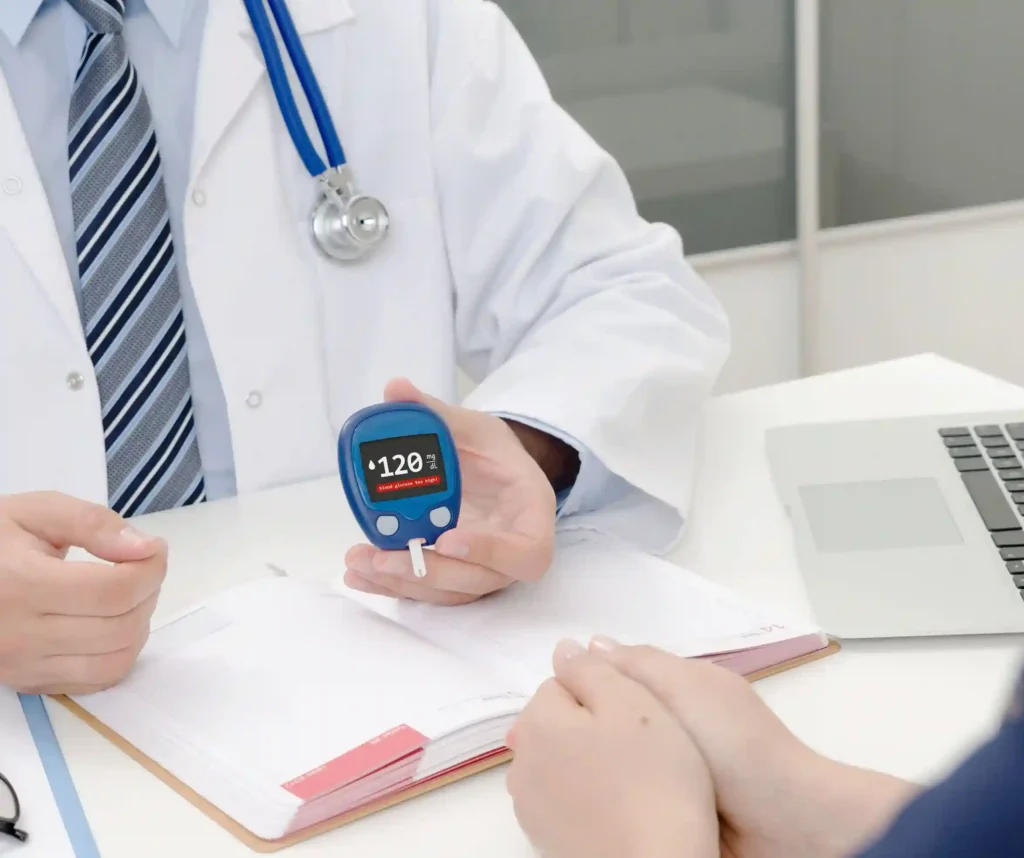
Knowing when to go to the ER for high blood sugar starts here: high blood sugar becomes an emergency when it climbs very high and comes with vomiting, deep or rapid breathing, fruity-smelling breath, confusion, or extreme thirst and urination.
These can signal diabetic ketoacidosis, a dangerous state that needs the diabetic emergency room rather than a wait to see if the next dose brings it down.
A single elevated reading is not usually a crisis, and people who manage diabetes see their numbers rise and fall through a normal day, after meals, during stress, and when they are unwell. What turns high blood sugar into an emergency is the combination of a very high number and symptoms that show the body is struggling to cope. When cells cannot get the sugar they need, the body starts breaking down fat for fuel and produces acids called ketones, and that chemistry can spiral quickly.
Recognizing that shift early is what keeps a manageable problem from becoming a life-threatening one. The people most at risk are those with type 1 diabetes, anyone who has missed doses, and anyone fighting an infection, since illness makes the body resist its usual treatment and drives sugar higher even when nothing else has changed. A cold, a urinary infection, or a stomach bug can quietly set the stage for a serious high over a day or two.
If your blood sugar is over 300 and you otherwise feel well, the first steps are to drink water to stay hydrated, take your medication as prescribed, check for ketones if you are able to, and recheck your level after a while to see which direction it is heading. If it stays high, or if any warning symptoms appear, that is when blood sugar over 300 what to do becomes a trip to the emergency room.
The rest of the answer to blood sugar over 300 what to do is about symptoms. Come in without waiting if a reading over 300 comes with any of the following:
● Vomiting, or an inability to keep fluids down
● Deep, rapid, or labored breathing
● Fruity or acetone-smelling breath
● Confusion, drowsiness, or trouble staying awake
● Moderate or high ketones on a home test
● Belly pain along with the high reading
● A reading that stays very high despite your usual correction
● Any illness, since infection drives blood sugar up and makes it harder to control
● A reading you cannot explain, especially if you feel genuinely unwell alongside it
Those signs are the practical answer to when to go to the ER for high blood sugar. Numbers matter, but symptoms matter more. A person can be in trouble at a lower number if they are vomiting and making ketones, and the safest move when symptoms appear is to get evaluated rather than chase the number at home.
This is especially true during an illness, when the usual correction may not be enough and dehydration from vomiting speeds everything up. Sick days are exactly when many diabetic emergencies begin, which is why having a plan for them, and a low threshold to come in, is worth more than any single reading.

Diabetic ketoacidosis, or DKA, is one of the most serious diabetic emergencies, and its symptoms build over hours: very high blood sugar, extreme thirst, frequent urination, nausea and vomiting, belly pain, deep rapid breathing, fruity breath, and confusion. Any combination of these is a reason to come in immediately.
| DKA warning sign | What it feels like |
|---|---|
| Extreme thirst and urination | Constant thirst, urinating far more than usual |
| Nausea and vomiting | Unable to keep food or fluids down |
| Deep, rapid breathing | Breathing that looks heavy or labored |
| Fruity-smelling breath | A sweet or acetone odor on the breath |
| Belly pain | Stomach pain that can mimic other problems |
| Confusion or drowsiness | Trouble thinking clearly, hard to stay awake |
The diabetic ketoacidosis DKA symptoms above rarely appear alone. DKA is most common in type 1 diabetes but can happen in type 2, and it is often triggered by an infection, a missed dose, or an illness. It is a true emergency because it involves both dangerous blood chemistry and dehydration at the same time, and each one makes the other harder to fix.
The good news is that it responds well to prompt treatment with IV fluids, electrolytes, and careful management, which is exactly what the emergency room provides. The earlier it is caught, the smoother the recovery, since DKA that has been building for a day is harder to reverse than one caught in its first hours.
That is the case for coming in on the early symptoms, the nausea and heavy breathing and fruity breath, rather than waiting for confusion to set in.
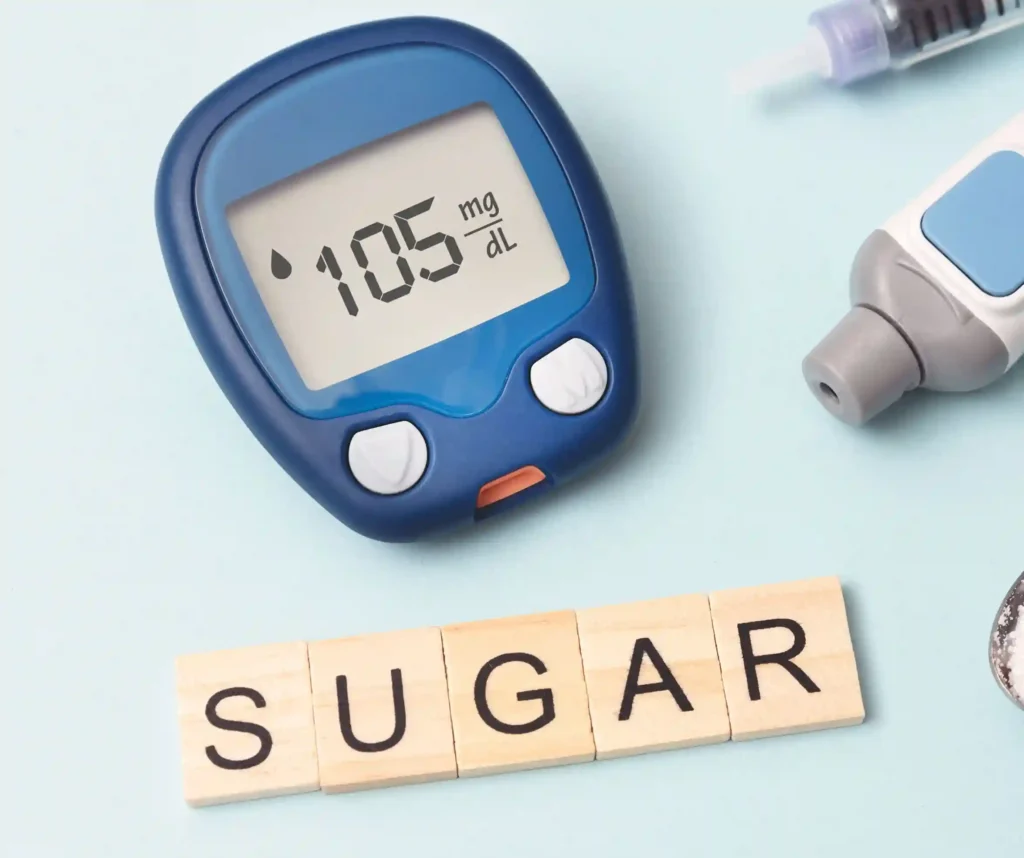
Low blood sugar becomes an emergency when it causes confusion, slurred speech, a seizure, or loss of consciousness, or when it will not come back up with fast-acting sugar. A low blood sugar emergency in someone who cannot safely swallow, or who has passed out, needs 911 and emergency care right away.
Mild low blood sugar, with shakiness, sweating, hunger, and irritability, usually responds to a quick source of sugar like juice or glucose tablets, followed by a snack, and then a recheck a short while later to make sure it held. A low blood sugar emergency begins when the brain is starved of sugar long enough to affect how a person thinks and functions. At that point they may not be able to treat themselves, and a bystander should give fast-acting sugar if the person can swallow safely, or call 911 if they cannot.
A low that keeps returning despite treatment, or one caused by a long-acting medication, is also a reason to be seen, since it can rebound for hours. Low blood sugar overnight is a particular concern, since a person may sleep through the early warning signs. Waking confused, drenched in sweat, or with an unexplained headache can be a clue that a low happened during the night, and a pattern like that is worth an evaluation and a conversation about adjusting the routine.
At Plano ER, blood sugar is checked within moments of arrival, and treatment starts fast. Because Plano ER is walk-in only, you are roomed at once and most patients meet a board-certified emergency physician in about 2 to 3 minutes. Here is how a typical visit runs.
1. Immediate blood sugar check. A fingerstick reading in seconds tells the team whether you are dangerously high or low and guides everything that follows.
2. Vital signs and monitoring. Heart rate, blood pressure, breathing, and oxygen go on continuous monitoring.
3. On-site labs. Blood work checks ketones, electrolytes, kidney function, and the acid balance that reveals DKA, with results in minutes.
4. IV treatment. For high blood sugar and DKA, this means IV fluids and electrolytes and careful correction. For low blood sugar, it means fast sugar by mouth or IV.
5. A search for the trigger. The team looks for an infection or other cause that pushed your numbers off balance, since treating the trigger is part of the fix.
6. Continuous reassessment. Blood sugar and labs are rechecked to make sure you are moving in the right direction, since safe correction is gradual rather than sudden.
7. A plan to prevent the next one. Before you leave, the team talks through what likely triggered the episode and what to watch for, so you walk out with more than just a corrected number.
As a freestanding emergency room, Plano ER is built to act fast on a diabetic emergency: immediate testing, IV treatment, and stabilization, 24 hours a day. Your visit follows a clear path. You arrive and are seen right away, our team stabilizes your blood sugar and chemistry, and testing finds what triggered the episode.
Severe DKA and some diabetic emergencies need inpatient care, so once you are stabilized we coordinate a direct transfer to a partner hospital, with the handoff arranged on your behalf. Milder episodes are often corrected and sent home with a clear plan.

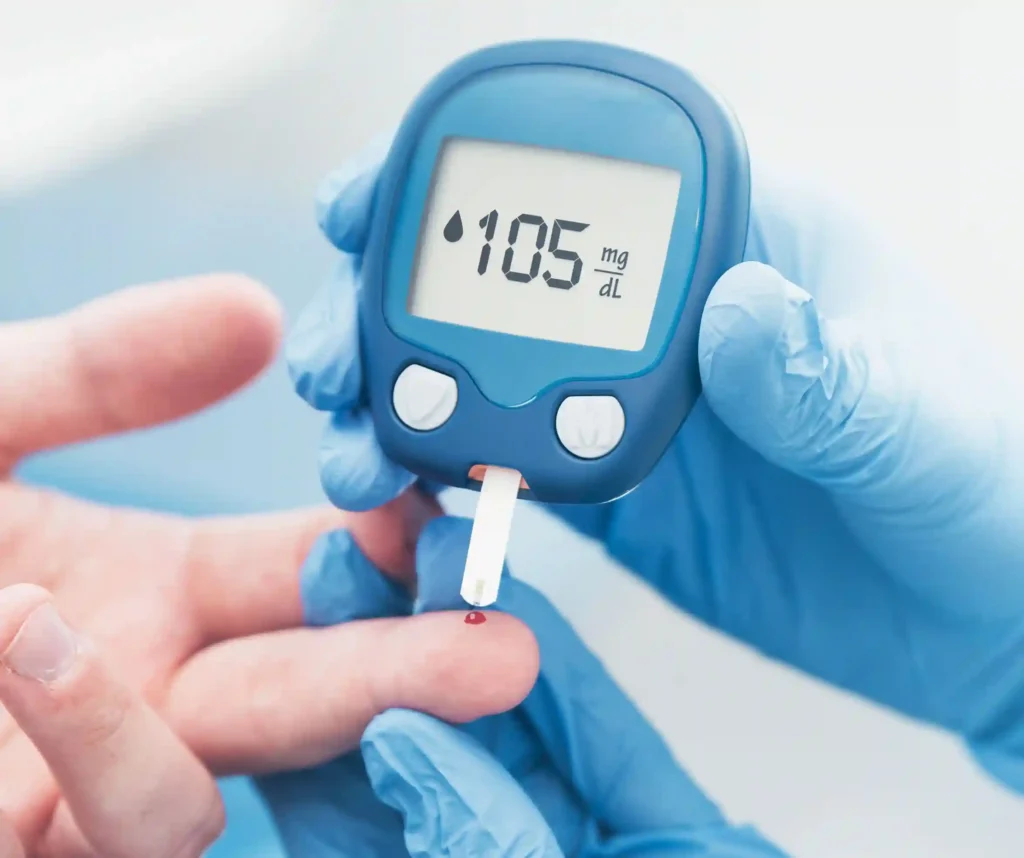
A diabetic emergency can arrive fast, especially low blood sugar, which can go from mild shakiness to confusion within minutes, and it is one of the more common reasons for an emergency room visit among people managing diabetes. High blood sugar and DKA usually build over hours, but an illness or a missed dose can accelerate them, which is why symptoms deserve quick attention rather than a wait.
Certain situations raise the odds of a sudden swing. A stomach bug that stops you eating or keeping down medication, a new infection, a bout of severe dehydration and vomiting, a change in medication, hard exercise, alcohol, extreme heat, or simply a very busy day that disrupts your routine can all tip the balance, sometimes more than one at once. People who manage diabetes learn their own patterns, and the most useful instinct is to treat a fast change in how you feel as a signal to check your blood sugar and act, rather than pushing through it.
Family members and coworkers can help here too. Confusion, irritability, sweating, or slurred speech in someone with diabetes is worth naming out loud and checking, since the person in the middle of a low is often the last to recognize it. A little vigilance from the people nearby prevents many emergencies from getting worse.
Plano ER is a freestanding emergency room, and our rates are comparable to a hospital emergency room. We work with insurance providers to process your claims and review your coverage before treatment when possible. Emergency visits are protected under the federal No Surprises Act, which governs how your plan processes emergency care even when a facility is out of network. For patients paying out of pocket, payment plans are available through Sunbit, and self-pay is welcome. For diabetic emergency treatment in Plano, TX, our billing team can walk you through what to expect if you call ahead.
This is a Freestanding Emergency Medical Care Facility. This facility charges rates comparable to a hospital Emergency Room and may charge a facility fee. This facility or physician providing medical care at this facility may not be a participating provider in your Health Benefit Plan provider network. A physician providing medical care at this facility may bill separately from the facility for the medical care provided to you.
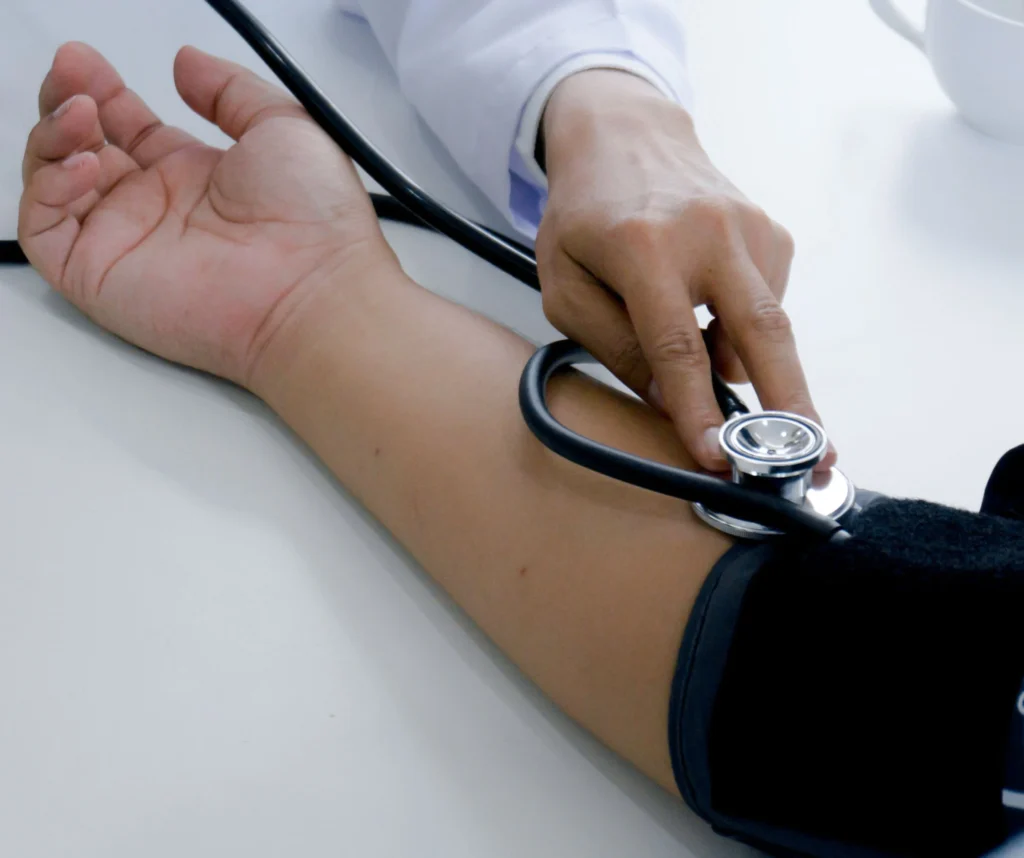
A few details help the team act quickly, though none should delay you if someone is confused, vomiting, or hard to wake, in which case call 911.
● Bring your recent blood sugar readings or your glucose monitor, if you have one
● Note the time and amount of your last dose of diabetes medication
● Mention any ketone results from a home test
● List all current medications, since several common ones affect blood sugar directly
● Note any recent illness, infection, or change in routine that may have triggered the episode
● If someone is with you, have them share what they noticed, since a confused patient may not recall the lead-up
Go when a high reading comes with vomiting, deep or rapid breathing, fruity breath, confusion, belly pain, or high ketones. These can signal DKA. Also come in if illness is driving your numbers up and you cannot keep fluids down.
There is no single number, since symptoms matter as much as the reading. Very high levels with vomiting, ketones, or confusion are emergencies, and low readings that cause confusion, a seizure, or unconsciousness are emergencies regardless of the exact number.
The diabetic emergency room checks your blood sugar in seconds, runs on-site labs for ketones and electrolytes, gives IV fluids and treatment to correct the imbalance, looks for a trigger like infection, and monitors you closely until you are stable.
Very high blood sugar, extreme thirst and urination, nausea and vomiting, belly pain, deep rapid breathing, fruity-smelling breath, and confusion. Any combination of these builds over hours and needs immediate emergency care.
When it causes confusion, slurred speech, a seizure, or loss of consciousness, or when it will not come back up with fast-acting sugar. Someone who cannot safely swallow or has passed out needs 911 right away.
If you feel well, hydrate, take your medication as prescribed, check for ketones, and recheck. If it stays high or comes with vomiting, labored breathing, fruity breath, confusion, or ketones, go to the emergency room without waiting.
Yes, especially low blood sugar, which can turn from mild to severe within minutes. High blood sugar and DKA usually build over hours but can speed up with illness or a missed dose, so quick attention to symptoms matters.
The diabetic emergency room at Plano ER stays open 24 hours a day, takes walk-ins with no appointment, and pairs immediate blood sugar testing with on-site labs and IV treatment, so a dangerous high or low gets corrected fast and safely. We serve Frisco, Allen, McKinney, Richardson, Carrollton, and The Colony from our Plano ER locations. If blood sugar has swung into dangerous territory, walk in and let our board-certified physicians stabilize it. Our emergency care resource hub covers what to expect across the conditions we treat most often.
Dangerous blood sugar right now? Call 911 if anyone is unresponsive. Otherwise walk in to Plano ER 24/7, no appointment needed. Address: 7940 Custer Rd, Plano, TX 75025. Call +1 972-527-3000.
Related Emergency Conditions
● Seizure Emergency Treatment in Plano, TX
● Dizziness & Vertigo Emergency Treatment in Plano, TX
Medically reviewed by [INSERT BOARD-CERTIFIED EMERGENCY PHYSICIAN NAME, MD] · Last reviewed [MONTH YEAR]. This page is for educational purposes and does not replace emergency medical evaluation. For a life-threatening emergency, call 911.
We are dedicated to providing prompt, attentive, and high-quality emergency medical care delivered by highly qualified, emergency-specialized physicians. Equipped with cutting-edge imaging technology and a certified full-service laboratory, we ensure you receive accurate diagnoses and effective treatment every time.
Disclaimer: All information available on this site is offered for educational purposes and should not be relied upon as medical advice. Viewing this content does not establish any physician–patient relationship. If you are experiencing a medical emergency, dial 911 or seek care at your closest emergency room right away.
Developed by Digital Linkage © 2026 All Rights Reserved