
A blood pressure reading around 180/120 or higher, especially with chest pain, shortness of breath, a severe headache, vision changes, or weakness, is a hypertensive emergency that needs care now. Call 911 for chest pain or stroke-like symptoms. Otherwise, the high blood pressure emergency room at Plano ER stays open 24 hours a day as a no-wait walk-in ER, with rapid evaluation, EKG, and IV treatment. Most patients see a doctor in about 2 to 3 minutes.
High blood pressure becomes an emergency when a reading reaches about 180/120 or higher and comes with symptoms that suggest organ strain: chest pain, shortness of breath, a severe headache, vision changes, confusion, or weakness. That combination points to a hypertensive emergency and means the high blood pressure emergency room, not a wait for the next appointment, which is the simplest guide to when to go to the ER for high blood pressure.
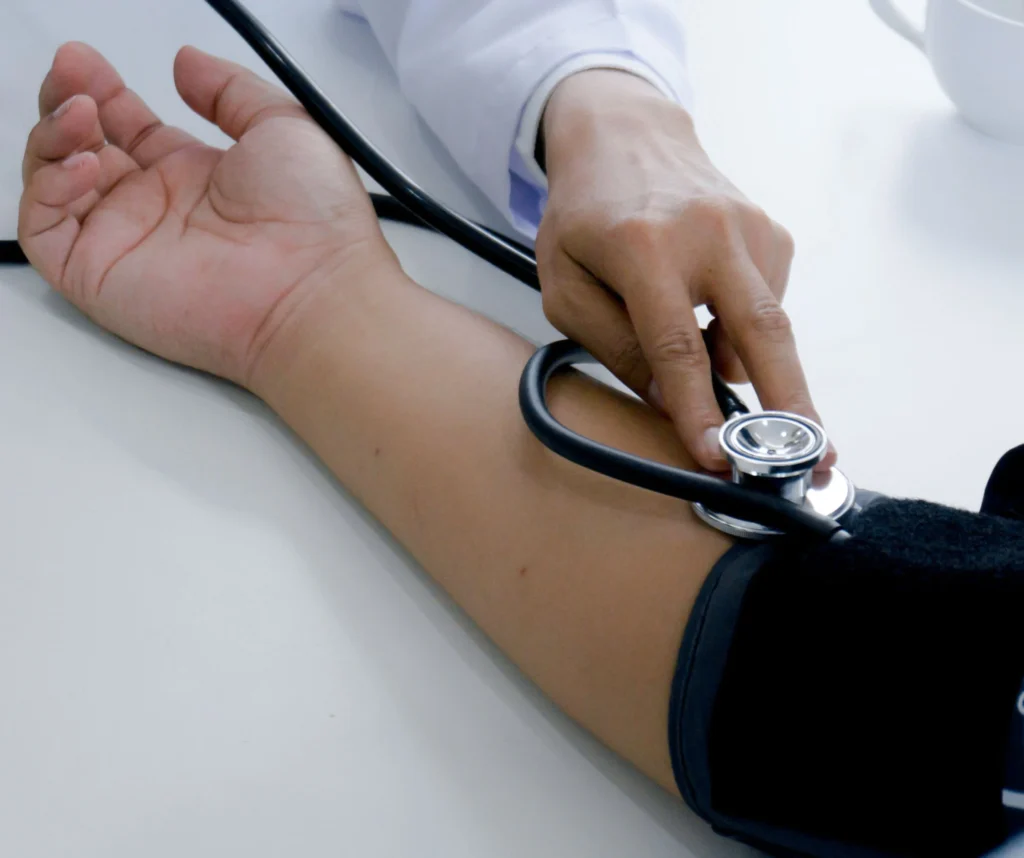
Blood pressure rises and falls throughout the day, and a single high reading, taken after coffee, stress, or a rushed morning, is usually not a crisis that calls for an emergency room visit. The number that matters is a sustained, very high reading confirmed on a recheck, and what matters even more is whether symptoms are present.
Home monitors add another wrinkle, since a cuff that is the wrong size, an arm that is not supported, or a reading taken right after activity can all push the number up on their own. That is why the first step at home is always to sit quietly and measure again before deciding anything. That pairing of a very high reading with symptoms is the simplest test for when to go to the ER for high blood pressure.
When pressure climbs high enough to strain the heart, brain, kidneys, or eyes, the body signals it, and those signals are what separate a number that needs a recheck from one that needs emergency care. This is why chasing the number alone can be misleading. Two people can share the same high reading, and the one with a pounding headache and blurred vision is in a very different situation from the one who feels completely normal. The reading opens the question, and the symptoms answer it.
Dangerously high blood pressure numbers start at a reading of 180/120 or higher, which doctors call a hypertensive crisis. Within that range, the presence or absence of symptoms divides two very different situations, and the table below lays them out.
| Reading | Symptoms | What it means | What to do |
|---|---|---|---|
| Below 180/120 | Varies | Elevated or stage 2 high blood pressure | Follow up with your doctor |
| 180/120 or higher | None | Hypertensive urgency | Recheck, contact your doctor, come in if it stays up |
| 180/120 or higher | Chest pain, breathlessness, headache, vision or speech changes, weakness | Hypertensive emergency | Call 911 or come to the ER now |
The distinction in that table is the whole point. A very high number with no symptoms still needs prompt attention, but a very high number with symptoms is a true emergency where minutes count, because it can mean the pressure is already damaging an organ.
The reason the table separates these is that they are treated differently: one is managed with a careful, gradual plan, often started by your own doctor, while the other calls for immediate monitored treatment. Knowing which situation you are in is exactly what an evaluation sorts out.
Hypertensive crisis symptoms are the body’s warning that very high pressure is straining an organ. The ones that turn a high reading into an emergency include a severe headache, chest pain, shortness of breath, vision changes, confusion, difficulty speaking, weakness or numbness, and a nosebleed that will not stop.
● A severe, pounding headache unlike your usual headaches
● Chest pain, pressure, or tightness
● Shortness of breath
● Blurred vision, double vision, or other sudden vision changes
● Confusion, trouble speaking, or trouble understanding speech
● Weakness or numbness, especially on one side of the body
● A severe nosebleed that will not stop
● Severe anxiety with a pounding heartbeat
Several of these overlap with the warning signs of a stroke or a heart problem, which is exactly why a very high reading with any of them is treated as an emergency. The team’s job is to find out fast whether the pressure is simply high or is actively harming an organ, and to bring it down safely if it is. Some of these symptoms are easy to dismiss in the moment.
A bad headache gets blamed on stress, blurred vision on tired eyes, breathlessness on being out of shape. What changes the picture is the very high reading beside them, because together they suggest the pressure itself is the cause rather than a coincidence. When in doubt, the reading and the symptom belong in the same sentence when you describe them at triage.
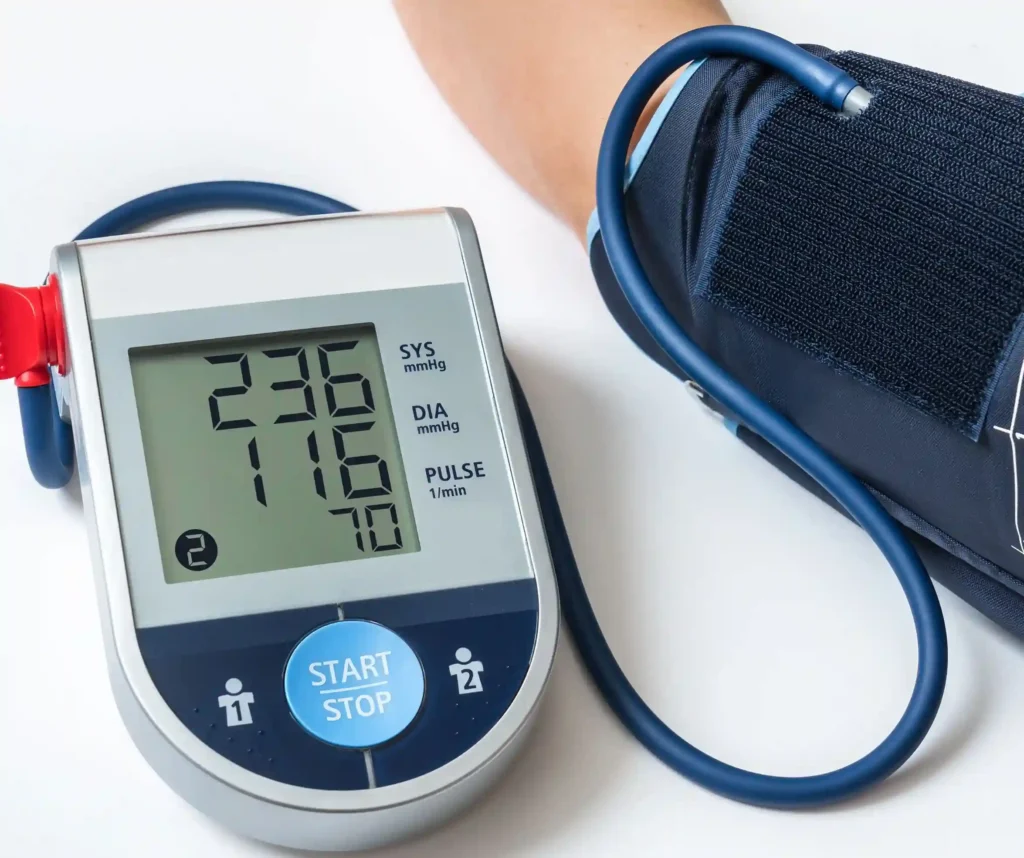

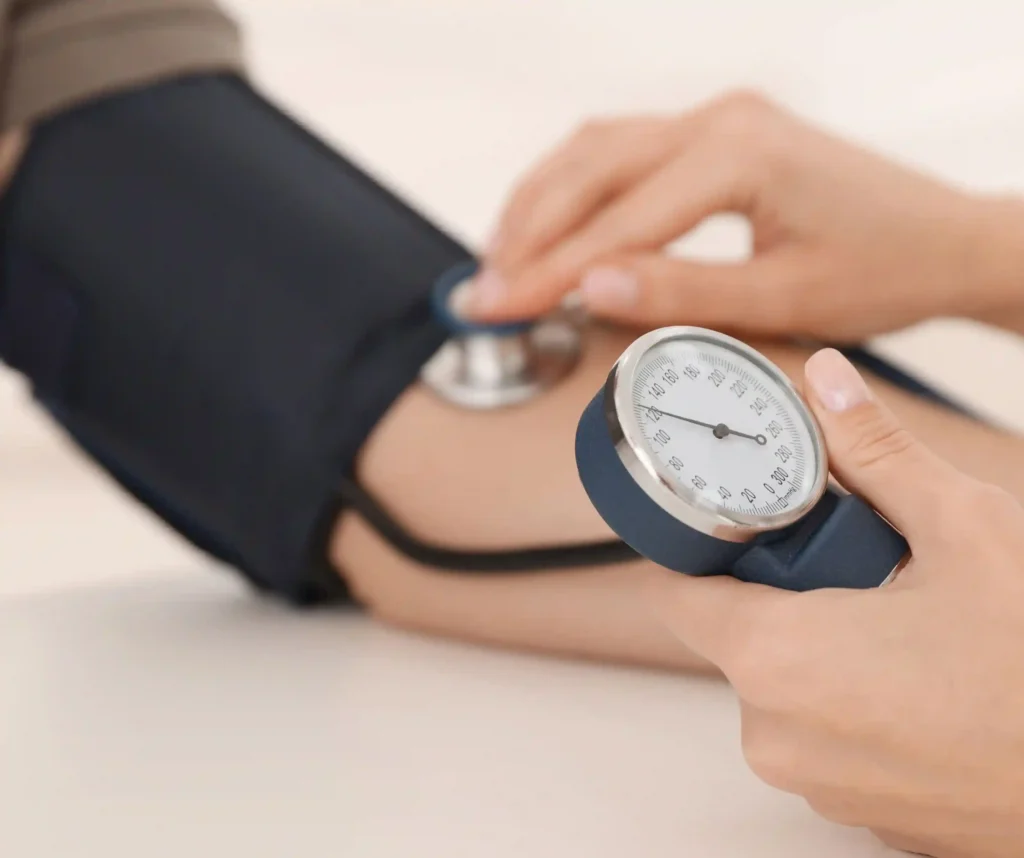
A reading at blood pressure 180 over 120 sits at the line doctors watch. A blood pressure of 180 over 120 is the threshold for a hypertensive crisis, so the first step is to sit quietly for five minutes and recheck, since a single reading can be off. If it stays at or above 180/120, what you do next depends entirely on symptoms.
If the reading is 180/120 or higher with no symptoms, contact your doctor, rest, and recheck, and come to the emergency room if it will not come down. If the reading is 180/120 or higher with any symptom, such as chest pain, breathlessness, a severe headache, vision changes, weakness, or confusion, do not wait and do not try to lower it yourself with extra doses at home.
Call 911 or go to the nearby emergency room, because lowering pressure too fast or too slow both carry risk, and it should be done under monitoring. This is the single most important thing to understand about a hypertensive emergency: the goal is a safe, controlled decrease, not the fastest possible drop. Bringing pressure down too quickly can starve the very organs you are trying to protect, which is why an extra dose at home is the wrong move and monitored treatment is the right one.
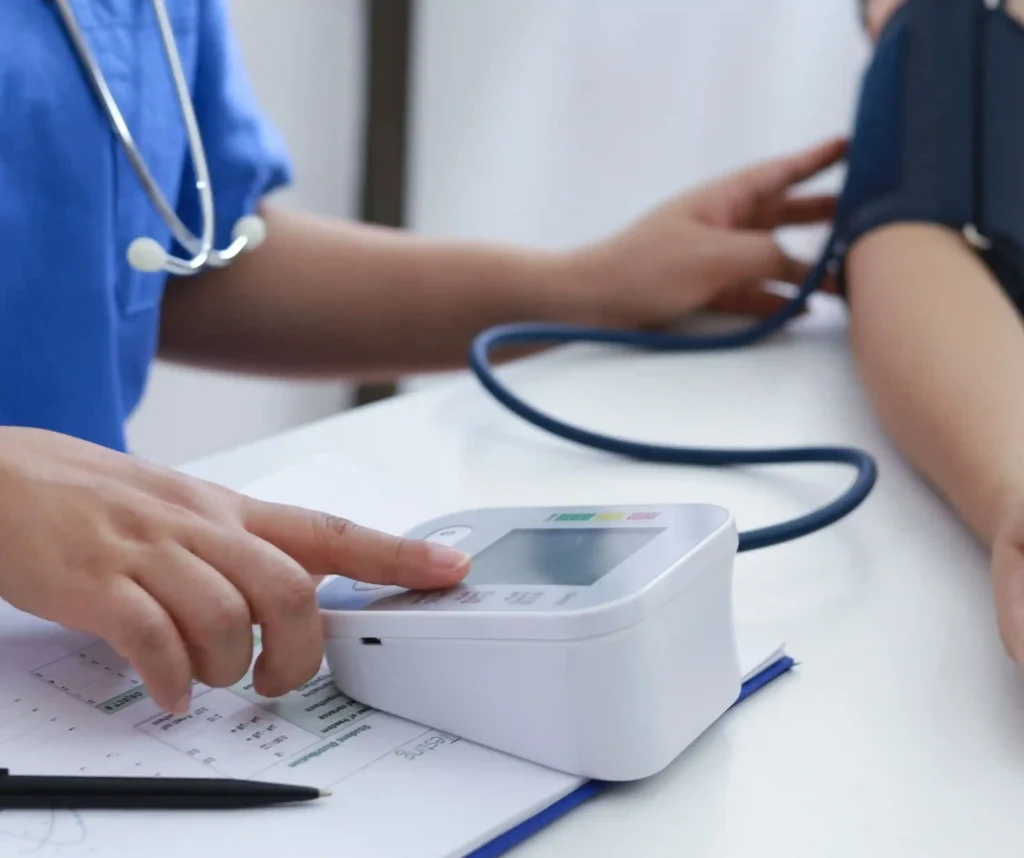
At Plano ER, the pressure is measured and the heart is checked within moments of arrival. Because Plano ER is walk-in only, you are roomed at once and most patients meet a board-certified emergency physician in about 2 to 3 minutes. Here is how a typical visit runs.
1. Repeat blood pressure and vital signs. The pressure is confirmed in both arms, and heart rate, breathing, and oxygen go on continuous monitoring.
2. EKG. A quick tracing checks the heart’s electrical activity and looks for signs of strain or a cardiac cause.
3. Neurological check. The team checks speech, vision, strength, and coordination for any sign that the pressure is affecting the brain.
4. On-site labs and imaging. Blood work checks kidney function and heart strain, and a CT scan can be done when a stroke or bleed is a concern, all read during the visit.
5. Controlled treatment. When treatment is needed, it is given and titrated under monitoring, since blood pressure must come down safely rather than suddenly.
6. Continuous reassessment. The team rechecks the pressure and your symptoms to confirm you are responding and stable, since the trend over the first hour matters more than any single reading.
7. A follow-up plan. Before you leave, the team explains what to watch for and why staying on top of your everyday blood pressure control is what prevents the next crisis.
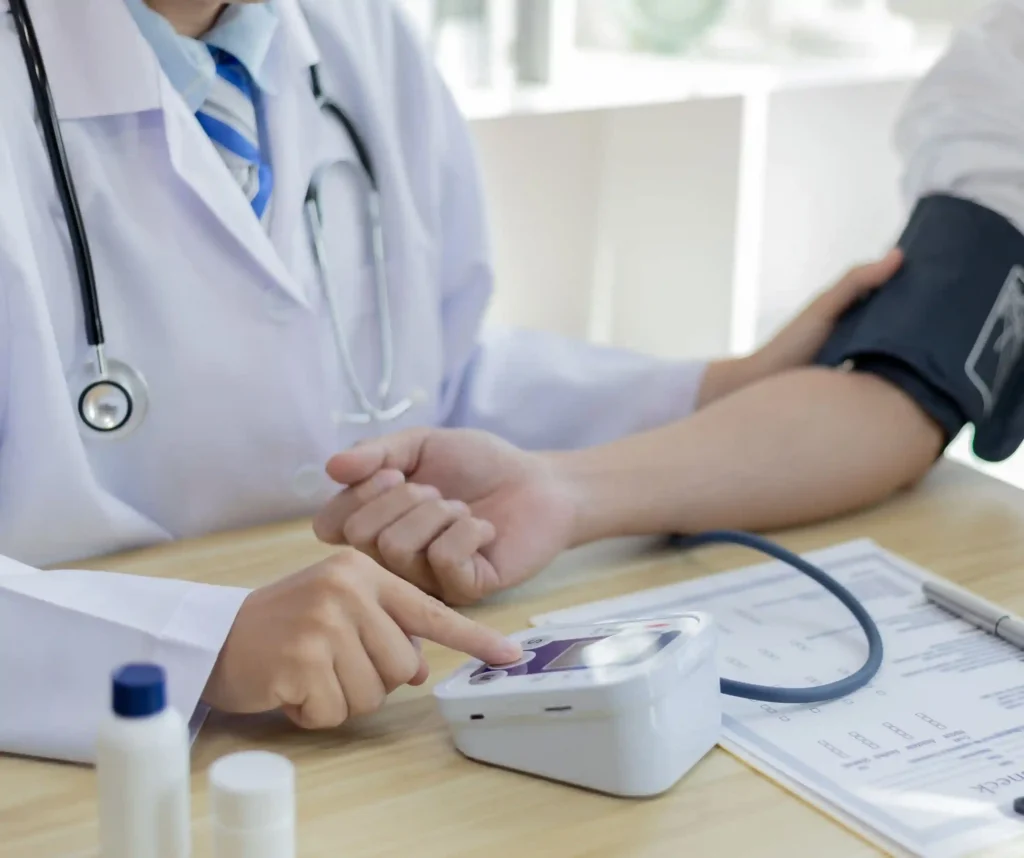
As a freestanding emergency room, Plano ER is built to respond fast to dangerously high blood pressure: immediate evaluation, EKG, imaging, monitoring, and stabilization, 24 hours a day. Your visit follows a clear path. You arrive and are seen right away, our team monitors and stabilizes you, and testing shows whether the pressure is harming an organ.
When a hypertensive emergency involves the heart, brain, or kidneys and needs inpatient care, we stabilize you first and coordinate a direct transfer to a partner hospital, with the handoff arranged on your behalf. Many patients are stabilized and sent home with a clear follow-up plan.
High blood pressure is the leading risk factor for stroke, and a hypertensive emergency can cause one directly by rupturing or blocking a vessel in the brain. That is why a very high reading with a severe headache, vision changes, confusion, difficulty speaking, or one-sided weakness is treated as a possible stroke and evaluated immediately.
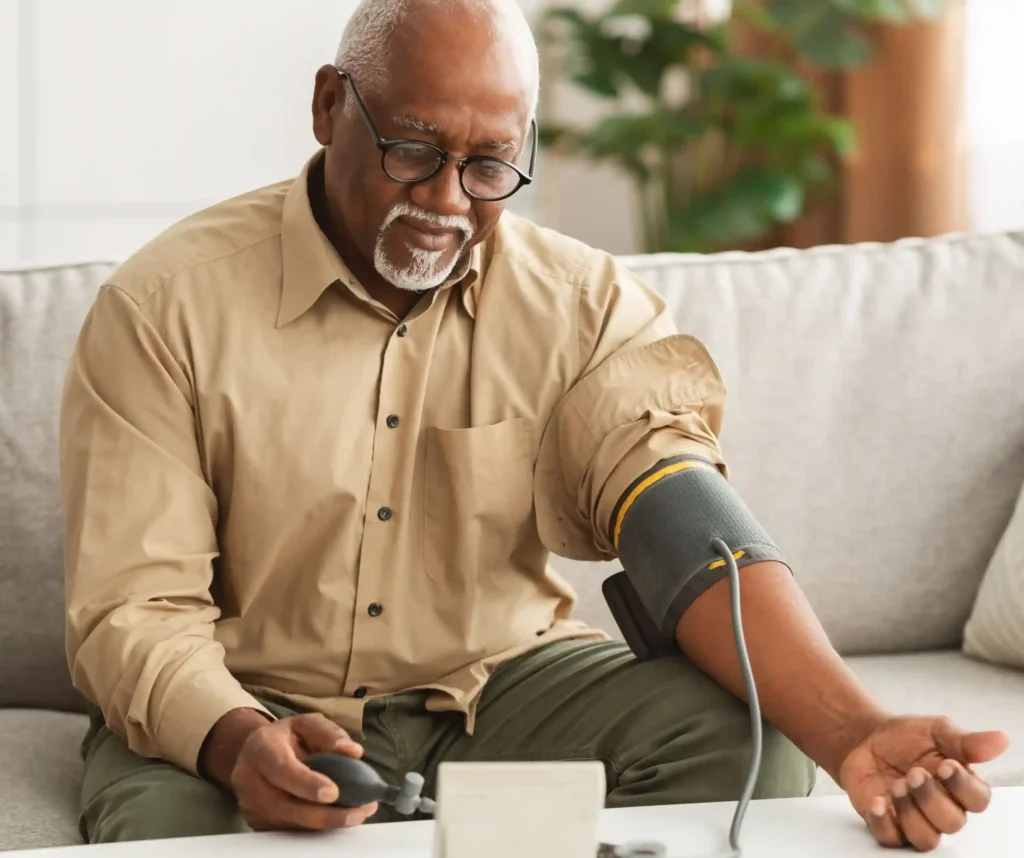
The connection runs both ways over time and in the moment. Years of uncontrolled pressure quietly damage blood vessels and raise stroke risk, and a sudden severe spike can tip that damage into an event.
High blood pressure earns its nickname as a silent problem because it usually causes no symptoms at all until it has already done harm, which is what makes both steady daily control and quick action during a crisis so important. This is the reason the emergency team pairs blood pressure treatment with a neurological check and, when needed, a CT scan, the same careful workup used when a stroke is a concern. That overlap is also why a very high reading that comes withsudden shortness of breath is taken seriously. Catching a stroke early changes everything about the outcome, so any hint of stroke-like symptoms alongside high pressure is a call to come in without delay. If you notice face drooping, arm weakness, or speech difficulty, call 911.
A simple way to remember the warning signs is to think of the face, the arms, and speech: a droop on one side of the face, weakness when raising one arm, or words that come out slurred or jumbled. Note the time the symptoms started, since that single detail shapes the treatment decisions that follow, and it is one of the most useful things you can tell the team.
Plano ER is a freestanding emergency room, and our rates are comparable to a hospital emergency room. We work with insurance providers to process your claims and review your coverage before treatment when possible.
Emergency visits are protected under the federal No Surprises Act, which governs how your plan processes emergency care even when a facility is out of network. For patients paying out of pocket, payment plans are available through Sunbit, and self-pay is welcome. For hypertensive crisis treatment in Plano, TX, our billing team can walk you through what to expect if you call ahead.
This is a Freestanding Emergency Medical Care Facility. This facility charges rates comparable to a hospital Emergency Room and may charge a facility fee. This facility or physician providing medical care at this facility may not be a participating provider in your Health Benefit Plan provider network. A physician providing medical care at this facility may bill separately from the facility for the medical care provided to you.
A few details sharpen the evaluation, though none should delay you if chest pain or stroke-like symptoms are present, in which case call 911.
● Bring your recent home blood pressure readings if you track them
● Note the time and dose of your blood pressure medications, and whether any were missed
● List all current medications and supplements, including anything new
● Mention any chest pain, headache, vision change, or weakness at triage right away
● Note any history of heart disease, kidney disease, diabetes, or prior stroke
● Mention whether this kind of spike has happened before and what was done about it
Go when a reading of 180/120 or higher comes with chest pain, shortness of breath, a severe headache, vision changes, confusion, or weakness. Call 911 for chest pain or stroke-like symptoms rather than driving yourself.
A reading of 180/120 or higher is a hypertensive crisis. It becomes a hypertensive emergency, where minutes count, when it comes with symptoms of organ strain such as chest pain, breathlessness, a severe headache, vision changes, or weakness.
The high blood pressure emergency room confirms your pressure, runs an EKG, checks your neurological status, orders labs and imaging when needed, and lowers the pressure safely under monitoring, since it must come down gradually rather than suddenly.
A severe headache, chest pain, shortness of breath, vision changes, confusion, difficulty speaking, weakness or numbness, and a severe nosebleed. These signal that very high pressure may be straining an organ and need emergency evaluation.
Both involve a reading of 180/120 or higher. Hypertensive urgency has no symptoms of organ strain and is managed more gradually. A hypertensive emergency has those symptoms and needs immediate treatment under monitoring.
Yes. High blood pressure is the leading risk factor for stroke, and a severe spike can cause one directly. A high reading with a severe headache, vision changes, confusion, or one-sided weakness is treated as a possible stroke.
Recheck after resting five minutes. If it stays at 180/120 or higher with any symptom, go to the ER or call 911. With no symptoms, contact your doctor and come in if it will not come down.
The high blood pressure emergency room at Plano ER stays open 24 hours a day, takes walk-ins with no appointment, and pairs rapid evaluation and EKG with on-site labs and imaging, so a hypertensive crisis is assessed and treated safely under monitoring. We serve Frisco, Allen, McKinney, Richardson, Carrollton, and The Colony from our Plano ER locations. If your pressure has spiked into dangerous territory, walk in and let our board-certified physicians evaluate it. Our emergency care resource hub covers what to expect across the conditions we treat most often.
Dangerously high blood pressure right now? Call 911 for chest pain or stroke-like symptoms. Otherwise walk in to Plano ER 24/7, no appointment needed. Address: 7940 Custer Rd, Plano, TX 75025. Call +1 972-527-3000.
Related Emergency Conditions
● Irregular Heartbeat & Heart Palpitations Treatment in Plano, TX
● Headache & Migraine Emergency Treatment in Plano, TX
Medically reviewed by [INSERT BOARD-CERTIFIED EMERGENCY PHYSICIAN NAME, MD] · Last reviewed [MONTH YEAR]. This page is for educational purposes and does not replace emergency medical evaluation. For a life-threatening emergency, call 911.
We are dedicated to providing prompt, attentive, and high-quality emergency medical care delivered by highly qualified, emergency-specialized physicians. Equipped with cutting-edge imaging technology and a certified full-service laboratory, we ensure you receive accurate diagnoses and effective treatment every time.
Disclaimer: All information available on this site is offered for educational purposes and should not be relied upon as medical advice. Viewing this content does not establish any physician–patient relationship. If you are experiencing a medical emergency, dial 911 or seek care at your closest emergency room right away.
Developed by Digital Linkage © 2026 All Rights Reserved