
RSV becomes an emergency when a baby breathes fast or hard, the skin pulls in around the ribs, feeding drops off, or the lips turn bluish. Call 911 for a baby struggling to breathe or turning blue. Otherwise the RSV emergency room at Plano ER stays open 24 hours a day as a no-wait walk-in ER, evaluating babies, children, and older adults with RSV testing and oxygen support. Most patients see a doctor in about 2 to 3 minutes.
Take a baby to the RSV emergency room when breathing becomes fast or labored, the chest or neck pulls in with each breath, feeding or wet diapers drop off sharply, the lips or face look bluish, or the baby is unusually sleepy and hard to rouse. Any of these means emergency care now.
RSV, short for respiratory syncytial virus, is extremely common and usually causes cold-like symptoms that pass in a week or two. Nearly all children catch it by age two, and for most it is nothing more than a bad cold.
In babies, though, it can move into the small airways of the lungs and make breathing hard, and the youngest infants are the most vulnerable. Knowing when to take a baby to the ER for RSV comes down to watching how they breathe and how they feed, because those are the first things to show trouble. RSV usually starts like an ordinary cold, with a runny nose and a mild cough, and then in some babies it moves deeper over the next few days.
That gradual slide is why a baby who seemed only mildly sick can look very different by the third or fourth day, and why steady watching matters more than any single moment. The warning signs below are the ones that mean a visit rather than a wait. The highest risk sits with premature babies, infants under six months, and those with heart or lung conditions, so for them the threshold to come in should be lower and the watching closer.
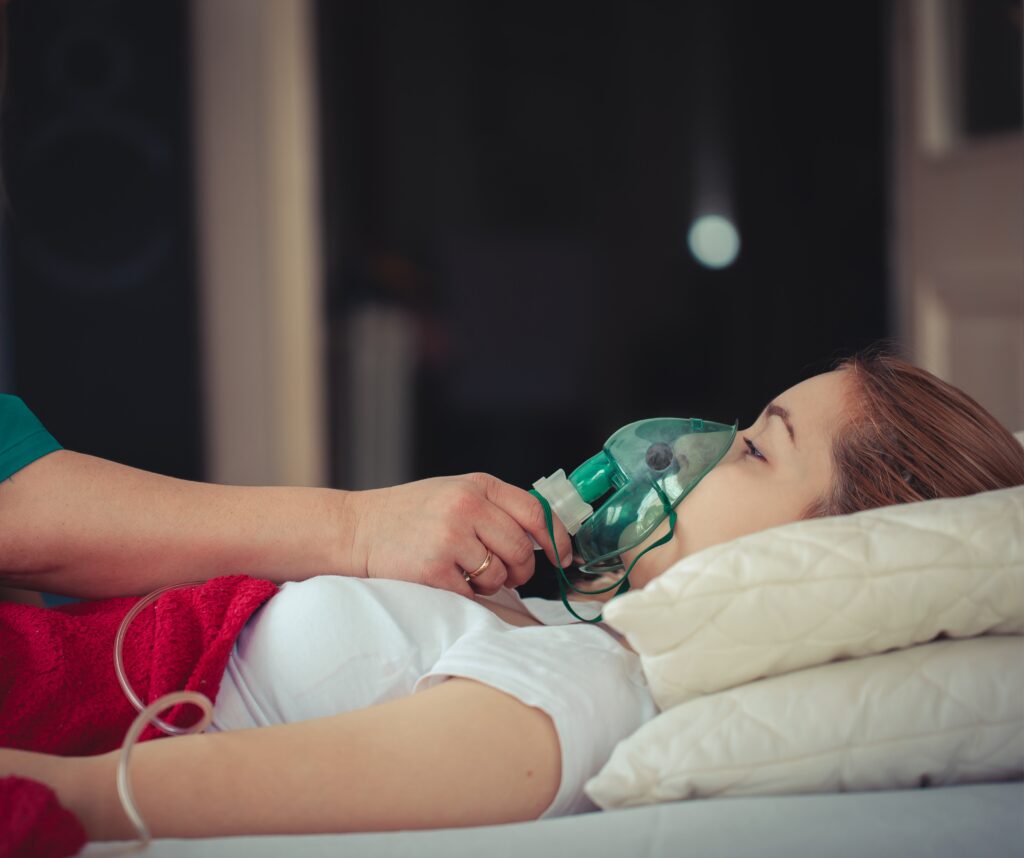
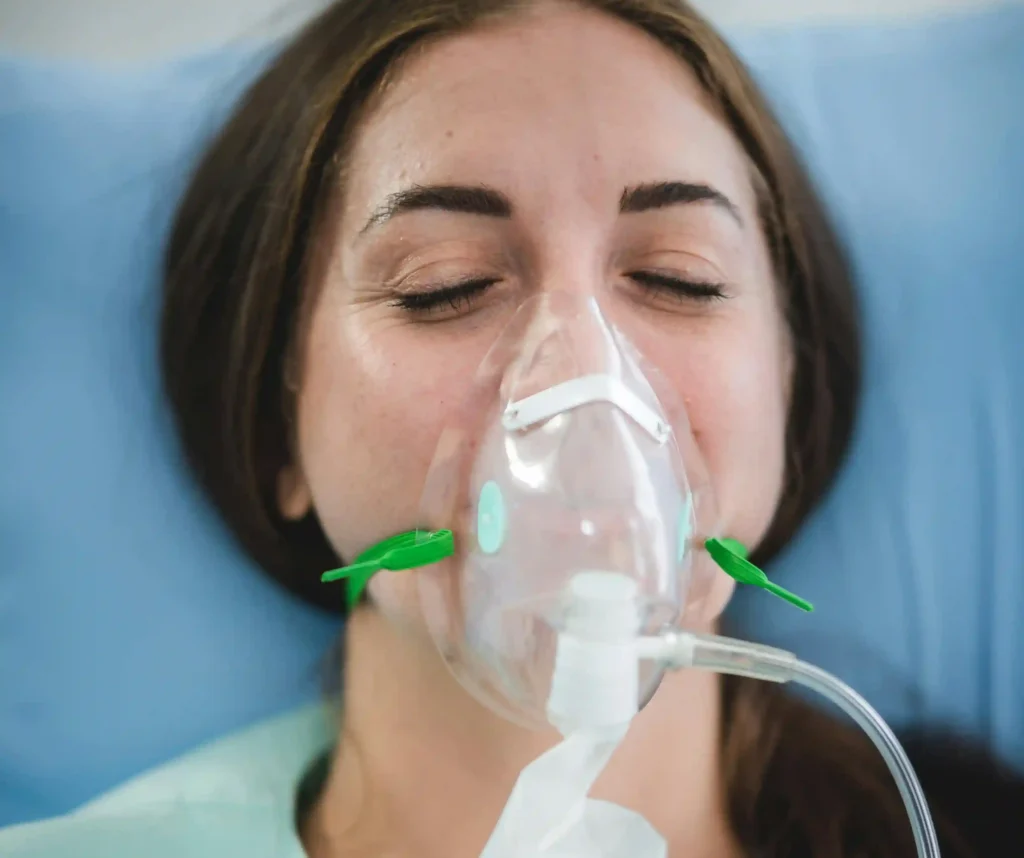
RSV breathing problems in infants show up as fast breathing, visible effort, and changes in color and feeding. Because babies cannot tell you they are struggling, the signs are physical ones you can watch for, and learning to spot them is the most useful thing a parent can do during RSV season. Ourpediatric emergency team sees these cases throughout the fall and winter across Plano and Collin County.
● Fast breathing, or breathing that looks like hard work
● The skin pulling in at the ribs, chest, or neck with each breath, called retractions
● Flaring nostrils, or head bobbing with each breath
● Grunting, wheezing, or a high-pitched sound when breathing
● Pauses in breathing, which are most concerning in young infants
● A bluish tint to the lips, tongue, or face
● Feeding much less, or far fewer wet diapers than usual
● Unusual sleepiness, limpness, or being hard to wake
Pauses in breathing and any bluish color are reasons to call 911, and do not drive a blue or barely-responsive baby yourself, since paramedics can support breathing on the way. The others mean the baby should be seen right away.
Retractions, that pulling-in around the ribs, are one of the clearest signs that a baby is working too hard to breathe. Feeding is the other half of the picture, since a baby who is breathing too fast often cannot coordinate feeding, and poor feeding then leads to dehydration on top of the breathing trouble.
Counting wet diapers is a simple way to track whether a baby is keeping up, and a drop to far fewer than usual is a sign to come in even before breathing looks severe.
RSV symptoms in older adults can be more serious than a cold, especially with age or a heart or lung condition. The warning signs are worsening shortness of breath, wheezing, chest congestion that will not clear, a flare of asthma or COPD, confusion, or a high fever with weakness. Any of these is a reason to be seen rather than to wait for it to settle on its own.
RSV is often thought of as a children’s illness, but it sends many older adults to the emergency room each year. In someone with COPD, asthma, heart failure, or a weakened immune system, RSV can trigger a serious flare or lead to pneumonia, and it can also worsen the underlying heart or lung condition at the same time, which is part of why it hits this group harder.
The same breathing-focused warning signs apply as with any respiratory emergency: real breathlessness, chest tightness, a bluish tint to the lips, or confusion all mean emergency care. Caregivers are often the first to notice the change, since new confusion or unusual drowsiness in an older adult can be the clearest sign that an infection is taking a serious turn.
At the RSV emergency room, on-site testing, a chest X-ray, and oxygen sort out how serious it is and treat it in the same visit. RSV is also an underrecognized cause of winter hospital visits among seniors, so a respiratory illness that is dragging on or worsening in an older adult is worth taking seriously rather than writing off as a lingering cold.


At Plano ER, the first step is to check breathing and oxygen, then to confirm RSV and treat the breathing trouble. Because Plano ER is walk-in only, you are roomed at once and most patients meet aboard-certified emergency physician in about 2 to 3 minutes. Here is how a typical visit runs.
1. Breathing and oxygen check. The team measures the oxygen level and how hard the patient is working to breathe, which sets the pace for everything else that follows.
2. RSV test at the ER. A quick, gentle nasal swab confirms RSV and can check for other respiratory infections at the same time.
3. Clearing the airway. For a congested infant, gentle suctioning of the nose can make an immediate difference in both breathing and feeding, since babies breathe mainly through the nose.
4. Oxygen and support. Oxygen is given when levels are low, with close monitoring of how well the patient responds to it.
5. Chest X-ray and labs when needed. On-site imaging looks for pneumonia, and labs check hydration and infection when the exam calls for it.
6. Hydration. IV or other fluids help a baby or adult who is not drinking or feeding enough.
As a freestanding emergency room, Plano ER is built to respond fast to RSV breathing trouble: immediate evaluation, RSV testing, oxygen, and stabilization, 24 hours a day. The path is clear. You arrive and are seen right away, our team supports breathing and stabilizes the patient, and testing confirms the cause.
When an infant or adult needs oxygen and monitoring beyond an emergency visit, or develops severe pneumonia, we stabilize first and coordinate a direct transfer to a partner hospital, so the next level of care is arranged for you rather than left to chance. Many patients are treated and sent home once breathing and feeding improve, with clear instructions on what to watch for and when to return.
Because RSV can worsen over the first several days before it turns the corner, knowing the specific signs to come back for is part of every discharge.
RSV, the flu, and a common cold can look alike at the start, and testing is what tells them apart. All three bring congestion and cough, but their risks and treatments differ, which is why a quick swab is useful whenever breathing is involved or the patient is very young or older.
| Feature | RSV | Flu | Common cold |
|---|---|---|---|
| Main worry | Breathing trouble in babies and older adults | Pneumonia, breathing trouble | Usually mild |
| Who is most at risk | Infants, older adults | All ages, higher-risk groups | Most people recover easily |
| Fever | Common | Common, often high | Low or none |
| Key ER concern | Low oxygen, poor feeding | Low oxygen, dehydration | Rarely needs the ER |
Testing still helps, because confirming RSV can change how closely a fragile infant or older adult is watched and what to expect over the coming days. The practical point is that what matters is not the exact virus but how the patient is breathing and feeding.
If breathing is hard, the right place is the emergency room regardless of which virus the test shows, since the treatment for the breathing trouble is the same whichever virus caused it. For flu specifically, our flu emergency care page covers its own warning signs.
If you searched for urgent care in Plano for RSV, here is the honest answer. Plano ER is a freestanding emergency room, not an urgent care, and we treat the same mild RSV an urgent care handles, plus the breathing trouble in infants and older adults that needs oxygen, imaging, and a team trained for emergencies.
What a freestanding emergency room brings that an urgent care does not:
● Oxygen and continuous monitoring for a baby or adult working to breathe
● On-site chest X-ray to check for pneumonia, plus a full lab
● RSV testing with results during the visit, and airway suctioning for infants
● Board-certified emergency physicians, open 24 hours a day
The difference matters most with a struggling infant or an older adult in a flare. If RSV turns out to be more than a cold, we can find out and treat it in the same visit rather than sending you elsewhere. To see what each setting is equipped to handle, learn how ERs differ from urgent cares.

Plano ER is a freestanding emergency room, and our rates are comparable to a hospital emergency room. We work with insurance providers to process your claims and review your coverage before treatment when possible.
Emergency visits are protected under the federal No Surprises Act, which governs how your plan processes emergency care even when a facility is out of network. For patients paying out of pocket, payment plans are available through Sunbit, and self-pay is welcome. For RSV treatment in Plano, TX, our billing team can walk you through what to expect if you call ahead.
This is a Freestanding Emergency Medical Care Facility. This facility charges rates comparable to a hospital Emergency Room and may charge a facility fee. This facility or physician providing medical care at this facility may not be a participating provider in your Health Benefit Plan provider network. A physician providing medical care at this facility may bill separately from the facility for the medical care provided to you.
A few details help the visit move quickly, though none should delay you if a baby is struggling to breathe or turning blue, in which case call 911.
● Note when symptoms started and how the breathing and feeding have changed
● For a baby, track wet diapers and the time of the last good feeding
● Mention any pauses in breathing, bluish color, or unusual sleepiness right away
● List current medications, and mention asthma, COPD, heart disease, or prematurity
● Bring any recent temperature readings if you have them
● For an older adult, note any flare of asthma, COPD, or heart failure symptoms
Take your baby in for fast or labored breathing, skin pulling in at the ribs, flaring nostrils, far fewer wet diapers, unusual sleepiness, or a bluish tint. Call 911 for pauses in breathing or blue color.
The RSV emergency room checks breathing and oxygen, runs an RSV test, suctions a congested infant’s nose, gives oxygen and fluids as needed, and takes a chest X-ray if pneumonia is a concern.
Fast breathing, the chest or neck pulling in with each breath, flaring nostrils, grunting or wheezing, pauses in breathing, and a bluish tint. These mean a baby is working too hard to breathe.
Yes. In older adults, especially with COPD, asthma, heart failure, or a weakened immune system, RSV can cause a serious flare or lead to pneumonia. Worsening breathlessness, wheezing, or confusion are reasons to come in.
A quick nasal swab confirms RSV during the visit and can check for other respiratory infections too. The RSV test at the ER is paired with a breathing and oxygen check, plus a chest X-ray when needed.
RSV season in North Texas generally runs through the fall and winter, often from around October into early spring, overlapping with flu season. Cases tend to rise through these months, so breathing symptoms deserve closer attention during that window.
Most babies recover in one to two weeks, with the hardest breathing often falling around days three to five. Watch closely during that window, and seek care if breathing becomes fast or labored or feeding drops off.

The RSV emergency room at Plano ER stays open 24 hours a day, takes walk-ins with no appointment, and pairs RSV testing with oxygen, airway suctioning, and chest imaging, so a struggling baby or older adult is evaluated and treated fast.
We serve Frisco, Allen, McKinney, Richardson, Carrollton, and The Colony from ourPlano and Mesquite ER locations. If breathing or feeding has become a worry, walk in and let our board-certified physicians help. Ouremergency care resource hub covers what to expect across the conditions we treat most often.
Baby struggling to breathe? Call 911 for pauses in breathing or blue color. Otherwise walk in to Plano ER 24/7, no appointment needed. Address: 7940 Custer Rd, Plano, TX 75025. Call +1 972-527-3000.
Related Emergency Conditions
● Shortness of Breath & Breathing Problems Treatment in Plano, TX
We are dedicated to providing prompt, attentive, and high-quality emergency medical care delivered by highly qualified, emergency-specialized physicians. Equipped with cutting-edge imaging technology and a certified full-service laboratory, we ensure you receive accurate diagnoses and effective treatment every time.
Disclaimer: All information available on this site is offered for educational purposes and should not be relied upon as medical advice. Viewing this content does not establish any physician–patient relationship. If you are experiencing a medical emergency, dial 911 or seek care at your closest emergency room right away.
Developed by Digital Linkage © 2026 All Rights Reserved