
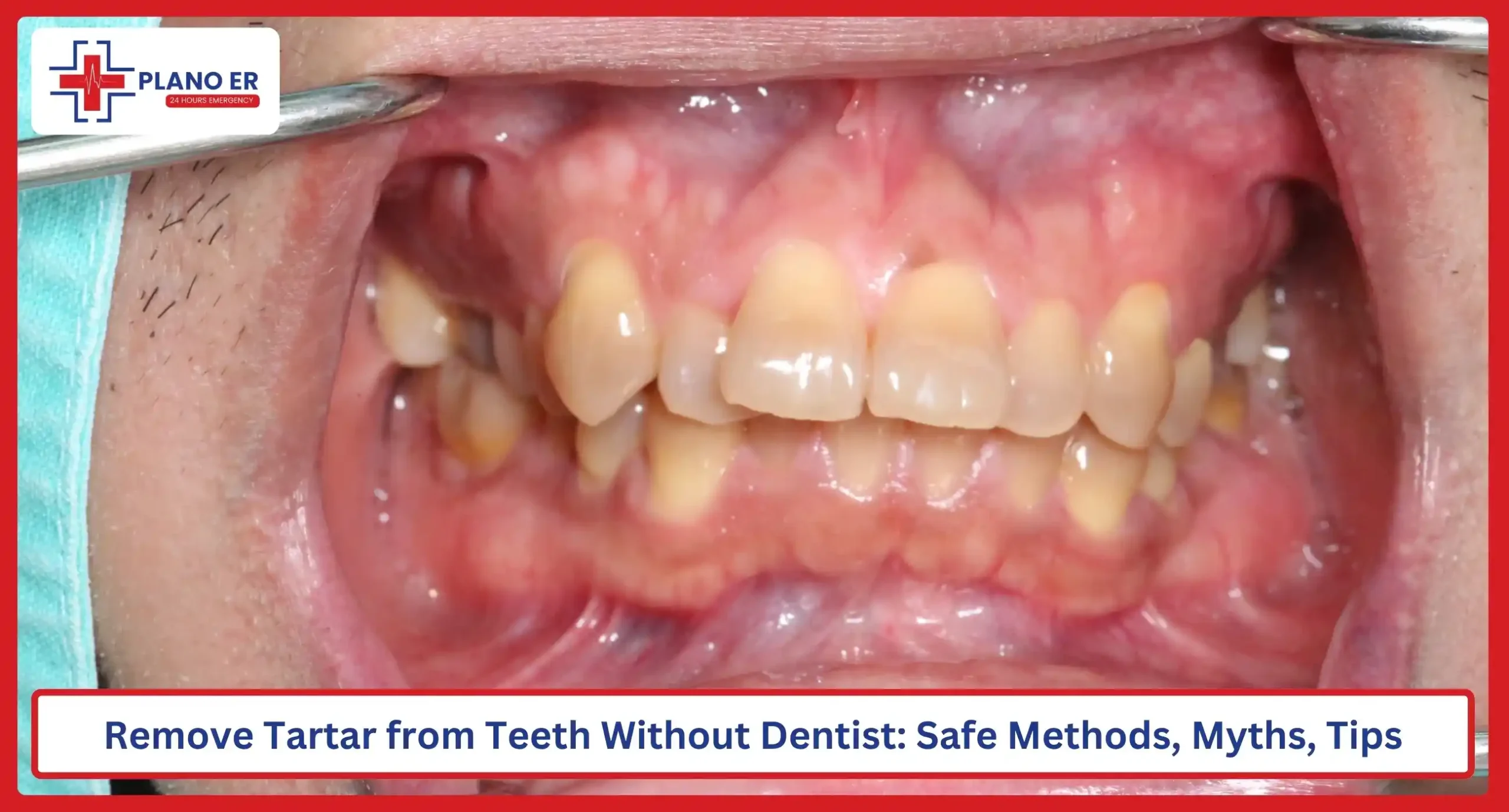
One of the most common dental concerns that people of all ages experience is tartar buildup. It develops due to plaque remaining on the teeth, making them hard over time. If you notice such a hard buildup on teeth and are searching for how to remove tartar from teeth without a dentist, then you’re not alone.
People often try to remove hardened tartar at home, which is not completely possible; however, it can be reduced or prevented. There are also a few safe and effective ways to improve oral health.
In this guide, we will illustrate in detail what tartar is and how to effectively control it at home; moreover, we will also elaborate on how to maintain oral hygiene in the long term.
What Is Tartar and How Is Tartar Formed?
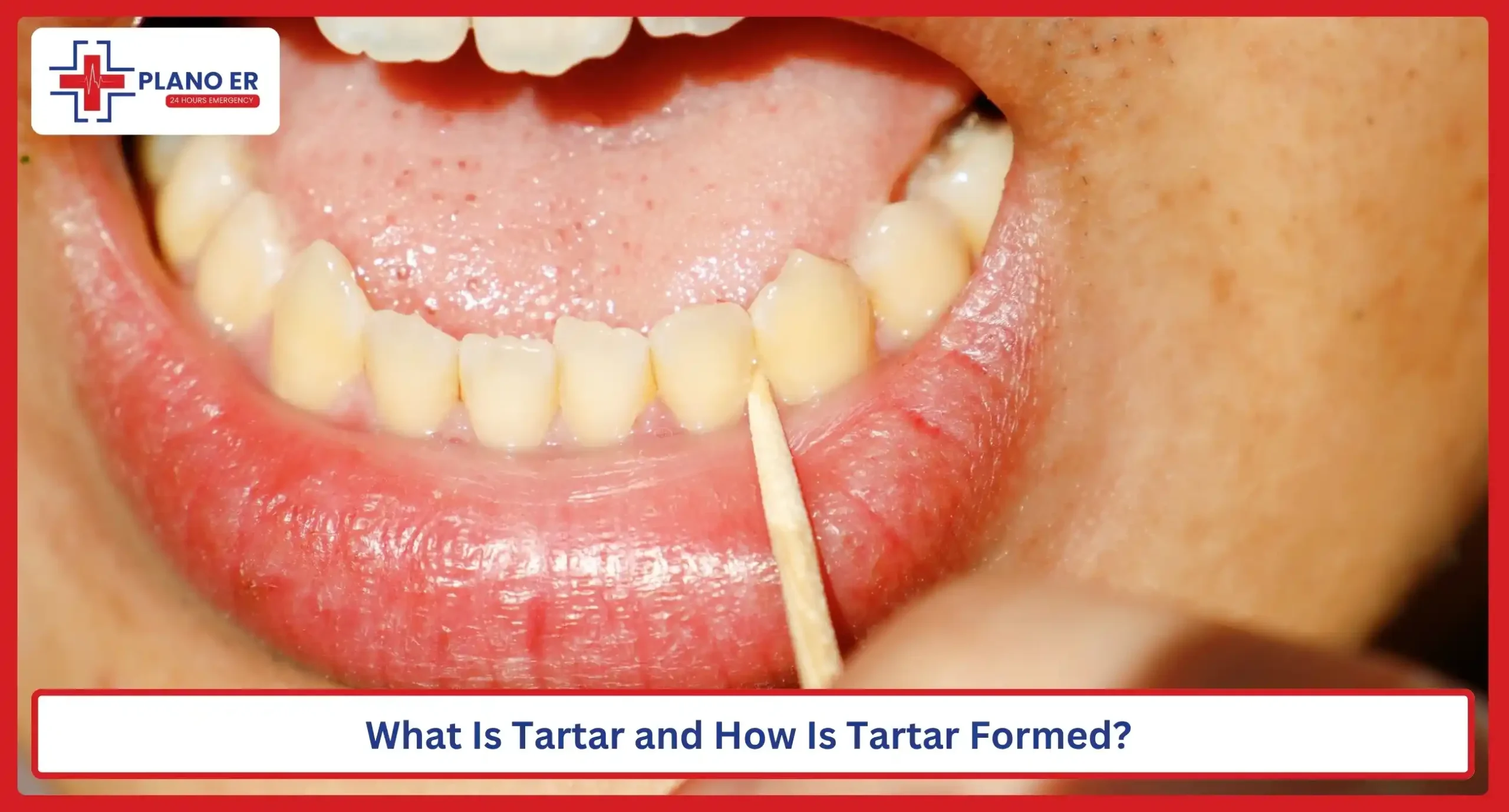
Tartar is a dental issue that develops when the leftover plaque remains on the teeth and hardens with time. Once it becomes hard, it sticks with the teeth and gumline.
Plaque is bacteria in sticky materials that form in the mouth while eating. In 24-72 hours, this plaque becomes mineralized with calcium and phosphate in saliva, turning into tartar.
Below are common signs of tartar buildup:
- Yellow or brown build-up in teeth
- Rough texture on the tooth
- Constant bad breath
- Swollen gums
- Bleeding gums
Plaque can be removed with brushing and flossing; however, tartar cannot be easily removed with regular brushing.
If you’re experiencing symptoms like severe gum swelling, persistent bleeding, or signs of infection, it’s important to seek timely care. A reliable emergency room like Plano ER can refer you to the right dental assistance.
Is it possible to remove tartar without a dentist?
No, tartar cannot be completely removed at home. You can’t remove tartar with brushing and flossing once it has hardened. It is important to seek help from professional dentists who might use dental tools to break or remove tartar without damaging the gums or teeth.
Along with medical assistance, it is also important to take proper home care to prevent future plaque from becoming tartar. Moreover, with proper dental care, the buildup process significantly slows down, and the oral hygiene is improved, thus reducing the stains and bacteria.
Effective home remedies to remove tartar
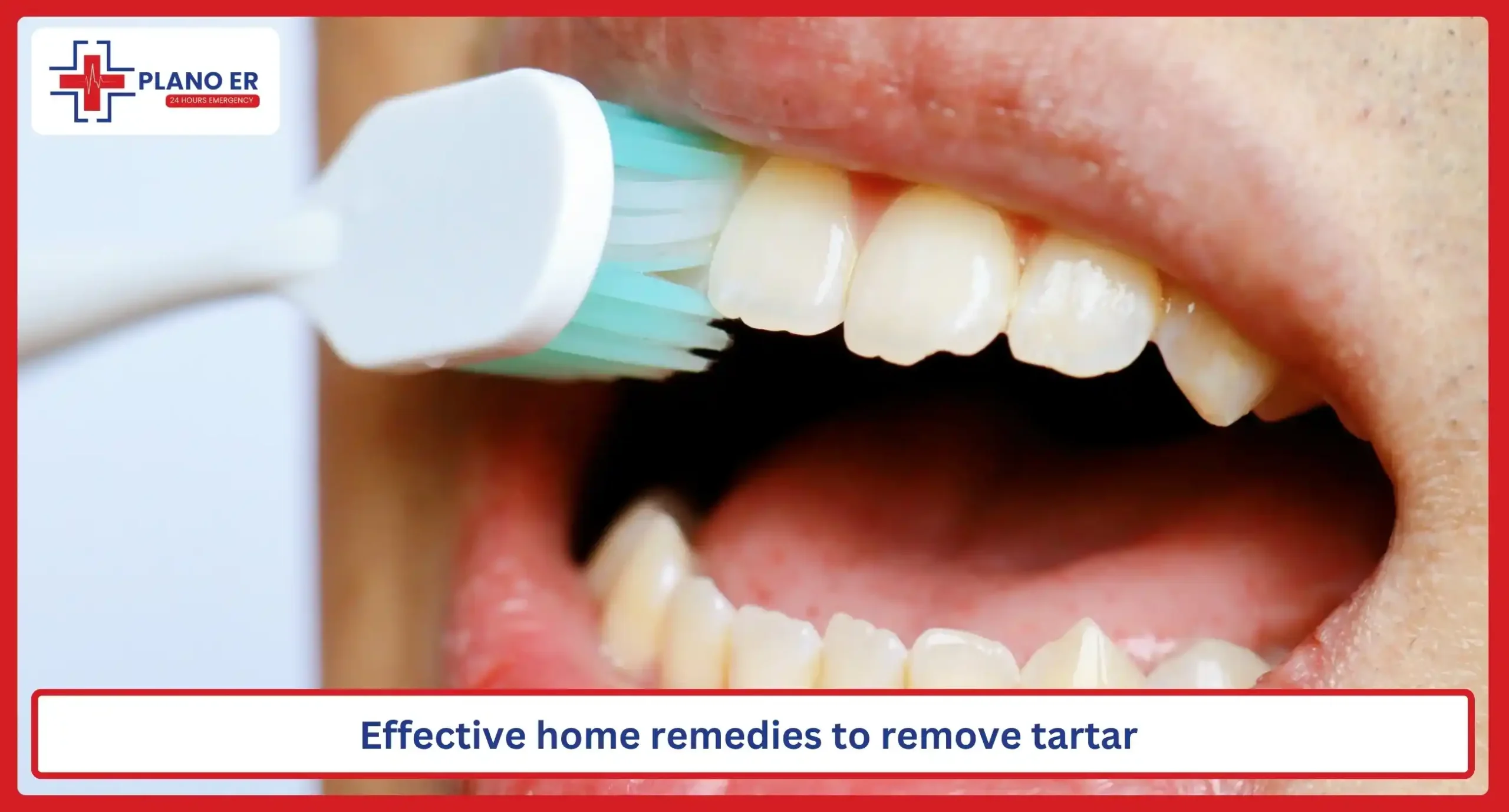
Although tartar cannot be removed completely at home, it can be controlled and improved by maintaining good oral health care.
Brushing teeth and Flossing
By brushing twice a day with fluoride toothpaste, you can protect your teeth from decay and also strengthen enamel. It is recommended to brush for 2 minutes in gentle circular motions. To maintain oral health, it is advised to replace the toothbrush every 3 months.
Apart from brushing, it is also advised to floss daily to prevent plaque from accumulating in tight areas. It also helps in reducing gum inflammation and prevents tartar from forming.
To have a more structured and effective oral health routine, it is better to consult your healthcare provider.
Use Tartar-Removal Toothpaste
With a tartar-removal toothpaste, the plaque buildup can be minimized over time. This is because these products are created to prevent hardening plaque.
Baking Soda
Use baking soda to remove tartar, as this is one of the most common home remedies. Moreover, it helps in removing surface stains and reducing bacterial growth.
Here are a few steps to use them safely:
- Create a paste by mixing a small amount of soda with water
- Use this paste to brush twice a week
- Rinse thoroughly afterward
It is advised not to use it daily or overuse it, but it is better to seek assistance from a professional dentist before including it in your daily routine.
Rinse with White Vinegar
Many people prefer rinsing with white vinegar instead of baking soda, as it contains antibacterial properties. It helps in reducing the bacteria in the mouth and also supports oral cleanliness.
How to use it:
- Mix 1–2 tablespoons of white vinegar in a glass of water
- Add a pinch of salt
- Mix and rinse it.
It is important to note that since vinegar is acidic, it can erode enamel if overused. It is advised to limit its use and seek professional guidance before using it.
What to avoid?
Many people might be wondering what does not work for removing tartar. This is because a few methods might harm your gums and teeth.
Try to avoid:
- Removing tartar with sharp or metal objects
- Brushing forcefully
- Overusing baking soda or white vinegar
- Not seeking medical advice
This is because all these practices might damage enamel and can also irritate the gums or cause long-term dental issues. Neglecting tartar might affect your oral health and smile. View our comprehensive blog on how to get rid of smile lines.
At-Home Care vs Professional Cleaning
The table below illustrates a few methods and their corresponding results:
| Method | Removes Plaque | Removes Tartar | Safety Level |
| Brushing & Flossing | ✅ | ❌ | Safe |
| Tartar Removal Toothpaste | ✅ | ❌ | Safe |
| Baking Soda | Partial | ❌ | Moderate Use |
| White Vinegar Rinse | Partial | ❌ | Occasional Use |
| Professional Cleaning | ✅ | ✅ | Best |
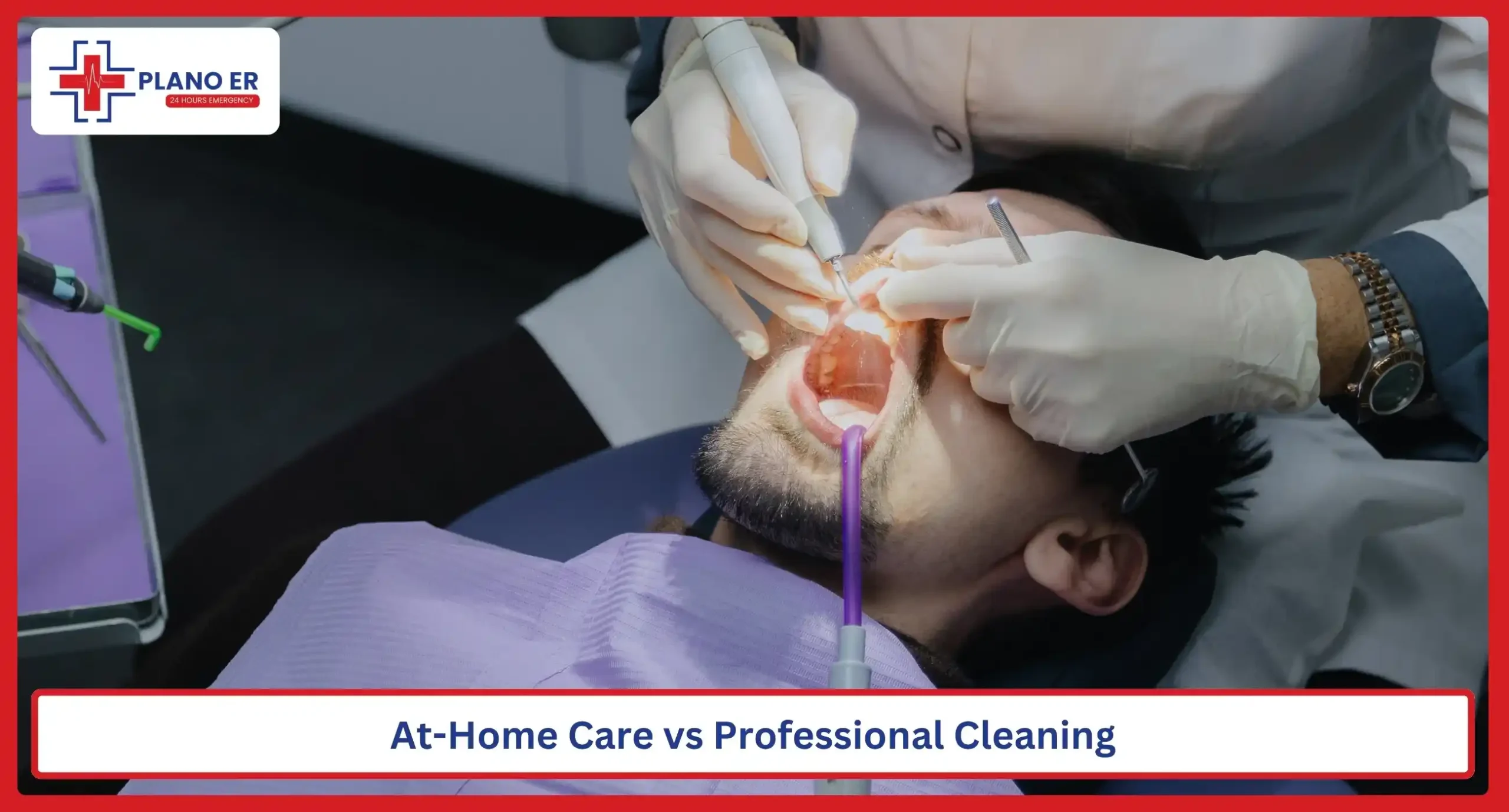
Professional cleaning remains the only reliable way to fully remove tartar safely.
Can tartar lead to serious dental problems?
Yes, when left untreated, it can lead to serious dental and gum issues. This is because tartar becomes hard and the bacteria get filled, creating a harmful environment for bacteria to grow.
It is not just a cosmetic issue, but it is a serious underlying oral issue that should not be ignored. Tartar might irritate gums, causing gingivitis or tooth cavities. It might also cause gum recession and halitosis due to persistent bad breath; in the worst case, it might lead to tooth loss.
Read our blog on how to fix receding gums.
Final Thoughts: Prevention Is the Key to Tartar-Free Teeth
Tartar build-up is a common but preventable dental issue. It can lead to serious issues if ignored. While many people look for ways to remove tartar from teeth without a dentist, it’s important to understand that hardened tartar cannot be safely removed at home.
Following simple, effective methods like brushing twice a day with fluoride toothpaste, flossing daily, and using tartar-control products can help stop plaque from turning into tartar in the first place. By maintaining a consistent routine and addressing plaque early, you can protect your teeth and avoid complications like gum disease and cavities.
Frequently Asked Questions
Can baking soda remove tartar?
No, baking soda can help remove it completely, but it can reduce plaque.
Why is tartar so difficult to remove?
Tartar is hardened plaque that bonds strongly to enamel.
Can I rely only on home remedies?
Home remedies help with prevention, but they cannot replace professional medical assistance.
How fast does tartar form?
Tartar can begin forming within 24 to 72 hours if plaque is not removed.
Is it safe to scrape tartar off at home?
No, scraping tartar at home can damage enamel and gums.