
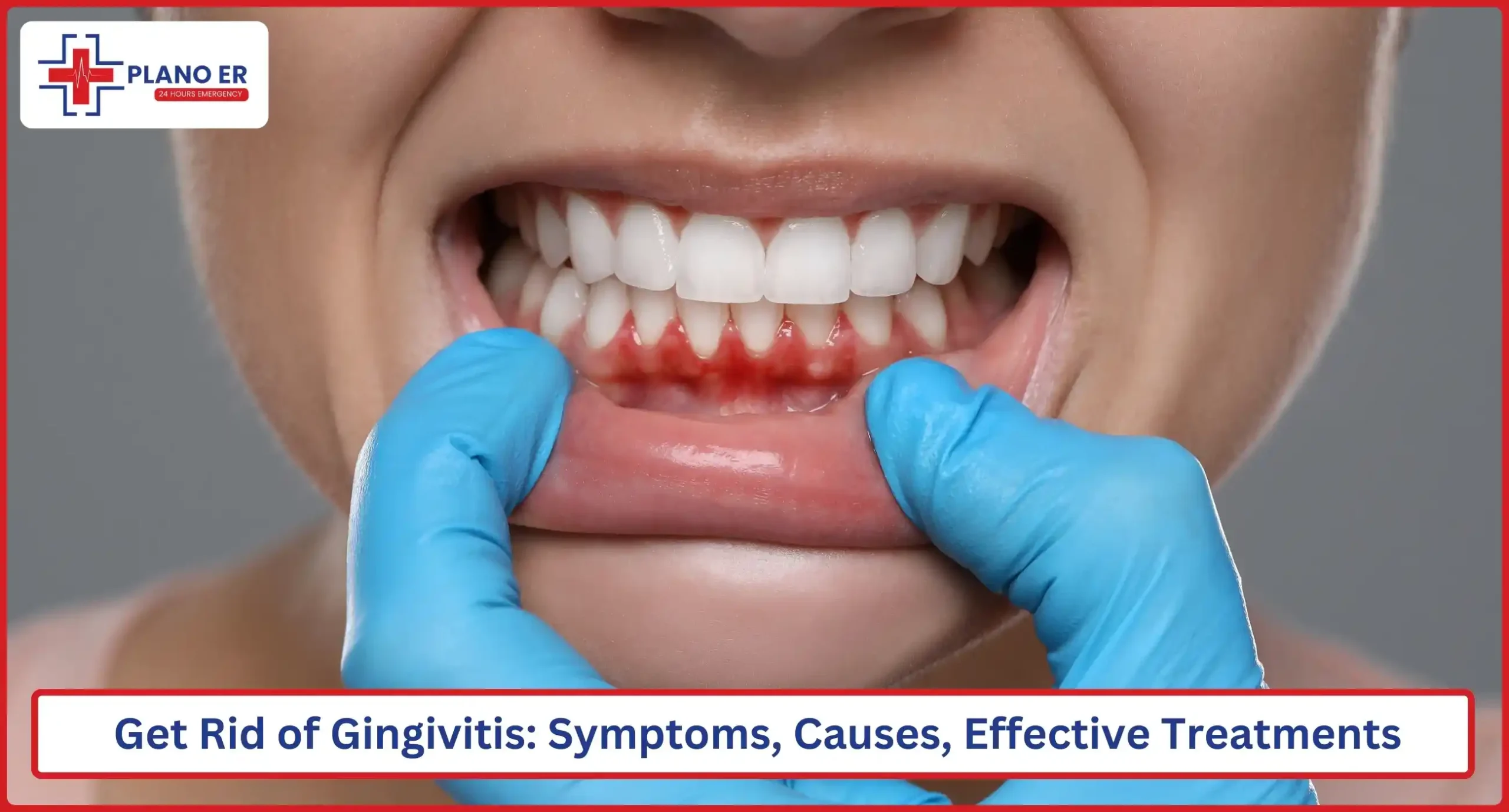
Noticing bleeding gums while brushing teeth seems a minor issue at first, but if it’s accompanied by persistent gum irritation, it might be a warning sign of gingivitis.
People often ignore gum bleeding at first, assuming that it might resolve on its own. However, if the pain is persistent, causes gum swelling, and oral infections, then it might be due to gingivitis.
If you’re wondering how to get rid of gingivitis, the foremost step is to improve your oral hygiene and resolve plaque buildup before it causes a more serious gum infection
At Plano ER, a state-of-the-art emergency facility in Plano, TX, we care for patients who arrive with severe gum swelling, oral infections, and pain due to mild gum inflammation. Gingivitis is normally manageable with proper oral care; untreated cases can worsen and sometimes require urgent medical evaluation.
Understanding what gingivitis is, what causes it, and how to treat it properly can help you protect your oral health before complications develop.
What Is Gingivitis?
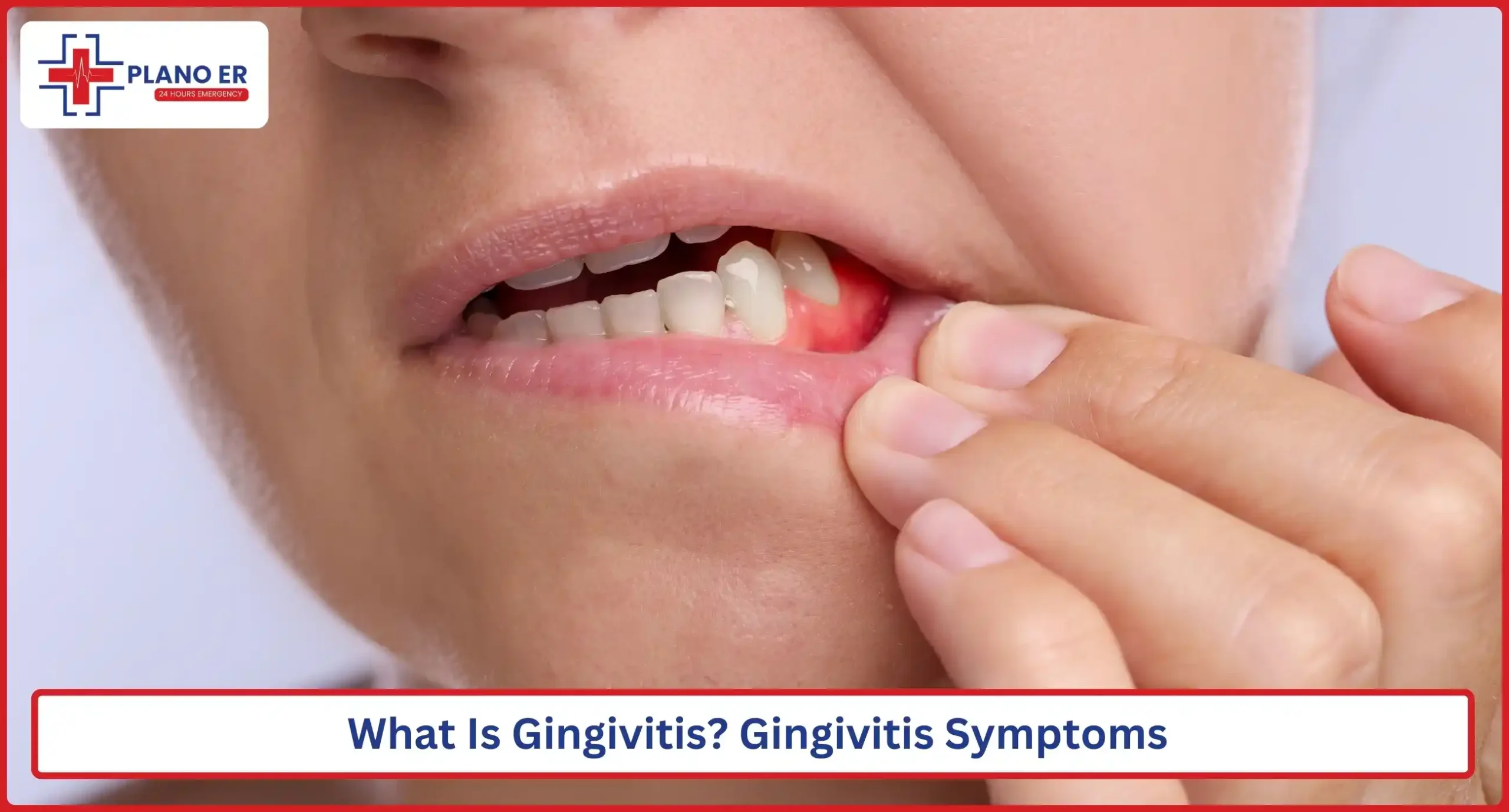
Gingivitis is an early stage of gum disease that arises due to bacterial buildup along the gumline. It occurs when the plaque accumulates on teeth if not removed through brushing and flossing; it irritates the surrounding gum tissue.
As a result of this, irritation causes inflammation. Causing the gums to swell, become tender, and bleed easily.
However, gingivitis is reversible during the early stages with proper care. If left untreated, it may progress into periodontitis, a more serious infection that affects the bone supporting your teeth.
Gingivitis Symptoms
Early signs of gingivitis are not prominent. Many people do not realize they have gingivitis until bleeding becomes frequent.
Common gingivitis symptoms are as follows:
- Red gums
- Swollen gums
- Gums that bleed while brushing
- Persistent bad breath
- Tenderness along the gumline
- Receding gums in the early stages
If you notice these symptoms accompanied by fever, pus, facial swelling, or severe pain, medical evaluation at a reliable ER near you is recommended immediately.
What Causes Gingivitis?
Gingivitis is mainly caused by plaque buildup. Plaque is a sticky film of bacteria that forms on teeth daily. Without consistent proper oral hygiene, plaque hardens into tartar, which can only be removed professionally.
Gingivitis develops due to different reasons, including:
- Inconsistent brushing and flossing
- Smoking or tobacco use
- Hormonal changes during pregnancy
- Diabetes
- Weakened immune system
- Crooked teeth or braces that trap food particles
By having good oral hygiene, bacteria can be prevented from causing gingivitis in most cases. Brushing twice daily, flossing regularly, and scheduling professional cleanings are essential preventive steps.
Gingivitis Treatment at Home
A few home remedies can significantly improve symptoms within days to weeks with consistency.
Improve Daily Oral Care
Follow basic steps, including:
- Brush two times a day with a soft-bristle toothbrush
- Floss once per day
- Replace the toothbrush after 2-3 months
- Use fluoride toothpaste
Use an Expert Antibacterial Mouthwash
An antibacterial mouthwash reduces plaque and kills bacteria that brushing normally cannot. Search for mouthwashes designed specifically to target gum inflammation.
Guava leaf mouthwash
Guava leaves have antimicrobial compounds that help reduce bacteria. To use this mouthwash, boil the leaves and use the cooled water as a rinse.
Use Clove oil
Clove oil comes with natural anti-inflammatory and antibacterial properties. Apply a diluted amount of this oil to irritated gums; this may temporarily relieve discomfort.
Gingivitis vs Advanced Gum Infection
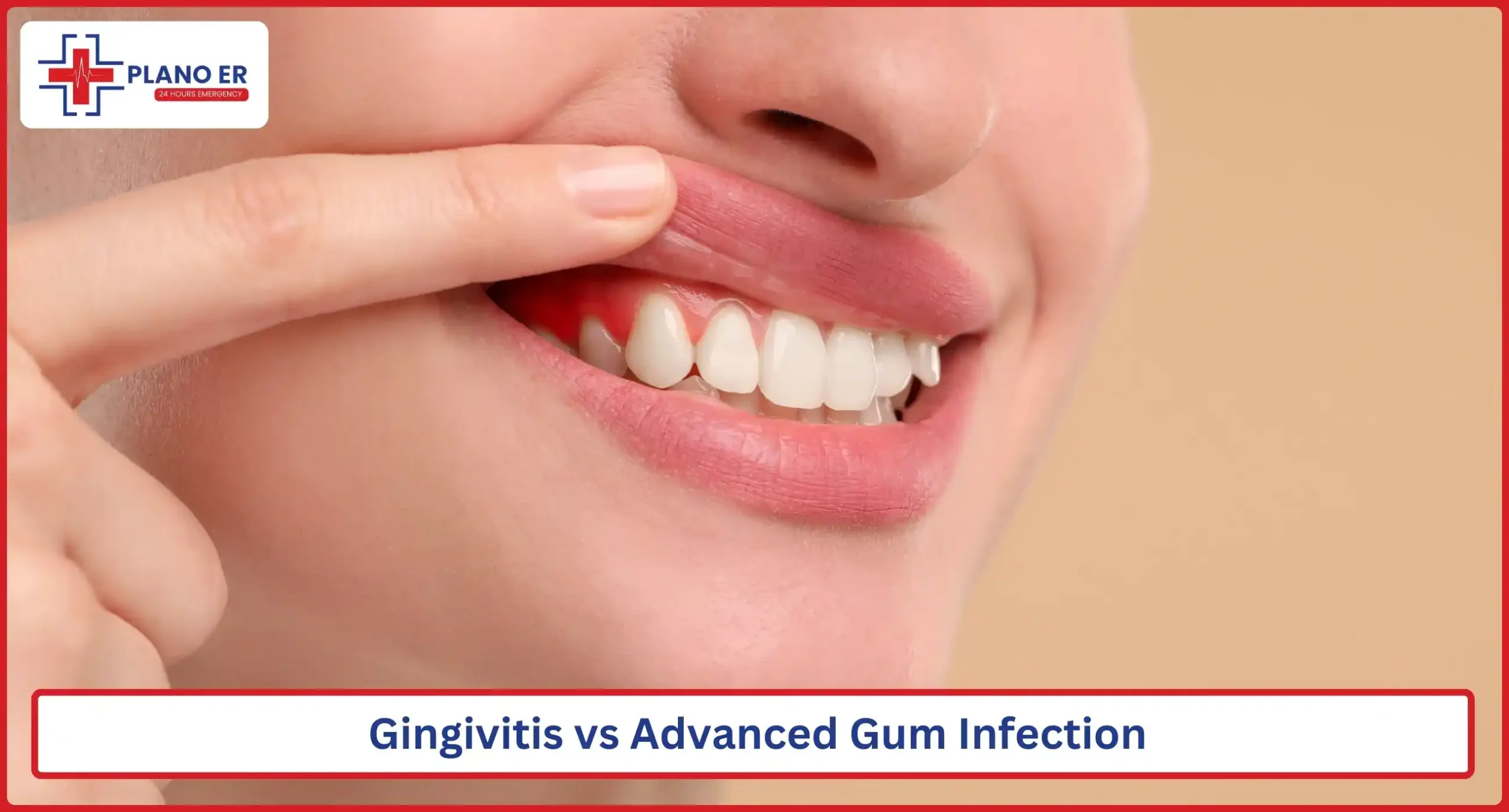
The table below shows a clear comparison between different severity levels of gingivitis and the steps that need to be adopted:
| Condition | Symptoms | Treatment Approach |
| Mild Gingivitis | Red gums, mild bleeding, and frequent bad breath | Improved hygiene and use antibacterial mouthwash |
| Moderate Gingivitis | Persistent red swelling, gum tenderness | Professional cleaning from a healthcare provider and dental treatment |
| Severe Infection | Face swelling, fever, and severe pain | Urgent medical evaluation and possible antibiotics |
Gingivitis in Children and Teens
Children and teenagers have sensitive gums and can also develop gingivitis, mostly during puberty due to hormonal changes.
If your child is in pain due to swollen or bleeding gums, then do not ignore these signs and seek professional guidance immediately. Plano ER also provides supportive immediate pediatric care for children presenting with oral pain, swelling, or infection-related symptoms.
Providing children with proper education on brushing and flossing plays a major role in minimizing the chances of gingivitis in children.
Can Good Oral Hygiene Reverse Gingivitis?
Yes, gingivitis is mostly reversible, but with proper oral hygiene, which helps the gum tissue heal. By continuously removing the bacteria, the inflammation is automatically reduced.
It is important to brush twice a day and floss consistently. Moreover, using antibacterial mouthwash and reducing the intake of sugar can also help in reversing gingivitis.
Small daily action makes a big difference. If, despite following home remedies and taking proper care does not improve, then it becomes essential to get emergency lab testing done to diagnose the underlying cause.
How to Get Rid of Gingivitis With Braces
Braces cause small spaces between the teeth where food particles can easily get trapped, which increases the risk of plaque.
If you wear braces, be sure to do the following to avoid gingivitis:
- Brush with an orthodontic toothbrush
- Add a water flosser to your routine
- Brush teeth after every meal
- Avoid sugary or sticky snacks
Patients with braces often require more frequent cleanings to prevent gum inflammation. Consistency is crucial.
Protect Your Smile Before It Becomes an Emergency
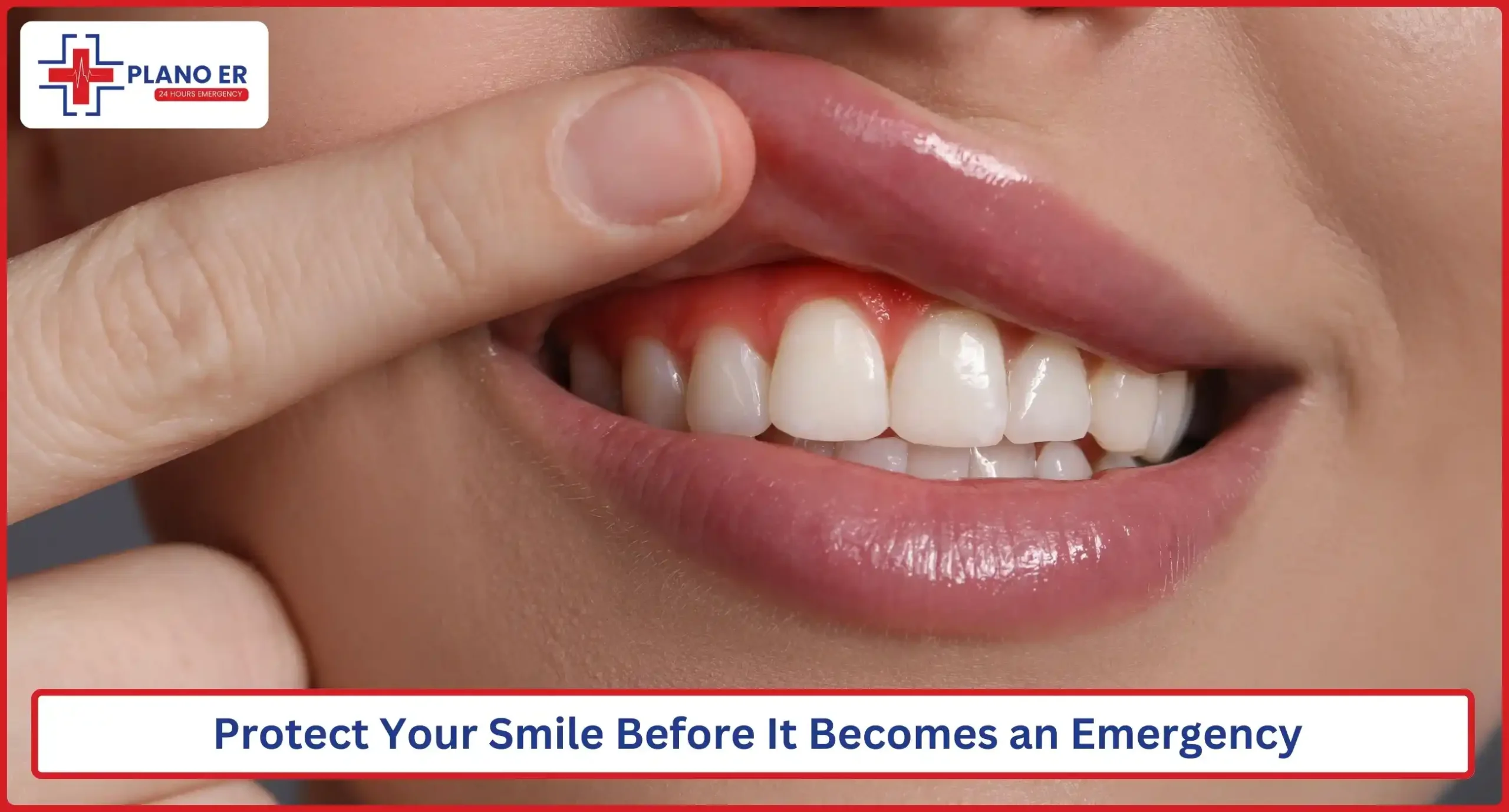
Gingivitis appears without noticeable symptoms, but ignoring its early signs can lead to painful complications. Majority times, it improves with proper home care and dental treatment. However, if gum infection starts spreading or causes noticeable symptoms, seeking timely medical attention becomes important.
At Plano ER, we are here when oral infections become severe or require urgent evaluation. While routine gum care belongs in a dental office, emergency complications should never be ignored.
Your gums protect your teeth, and your oral health supports your overall well-being. Acting early is always the safest choice.
Frequently Asked Questions (FAQs)
What is gingivitis?
Gingivitis is an early stage of gum disease due to plaque buildup
What are common gingivitis symptoms?
Common symptoms include swollen gums, bleeding while brushing, bad breath, and gum tenderness.
What causes gingivitis?
Gingivitis is mainly caused by poor oral hygiene, plaque buildup, smoking, hormonal changes, and conditions like diabetes.
How to get rid of gingivitis quickly?
Gingivitis can be reversed by brushing twice daily, flossing regularly, and using an antibacterial mouthwash.
Can gingivitis go away on its own?
No, gingivitis does not usually go away without proper oral care.