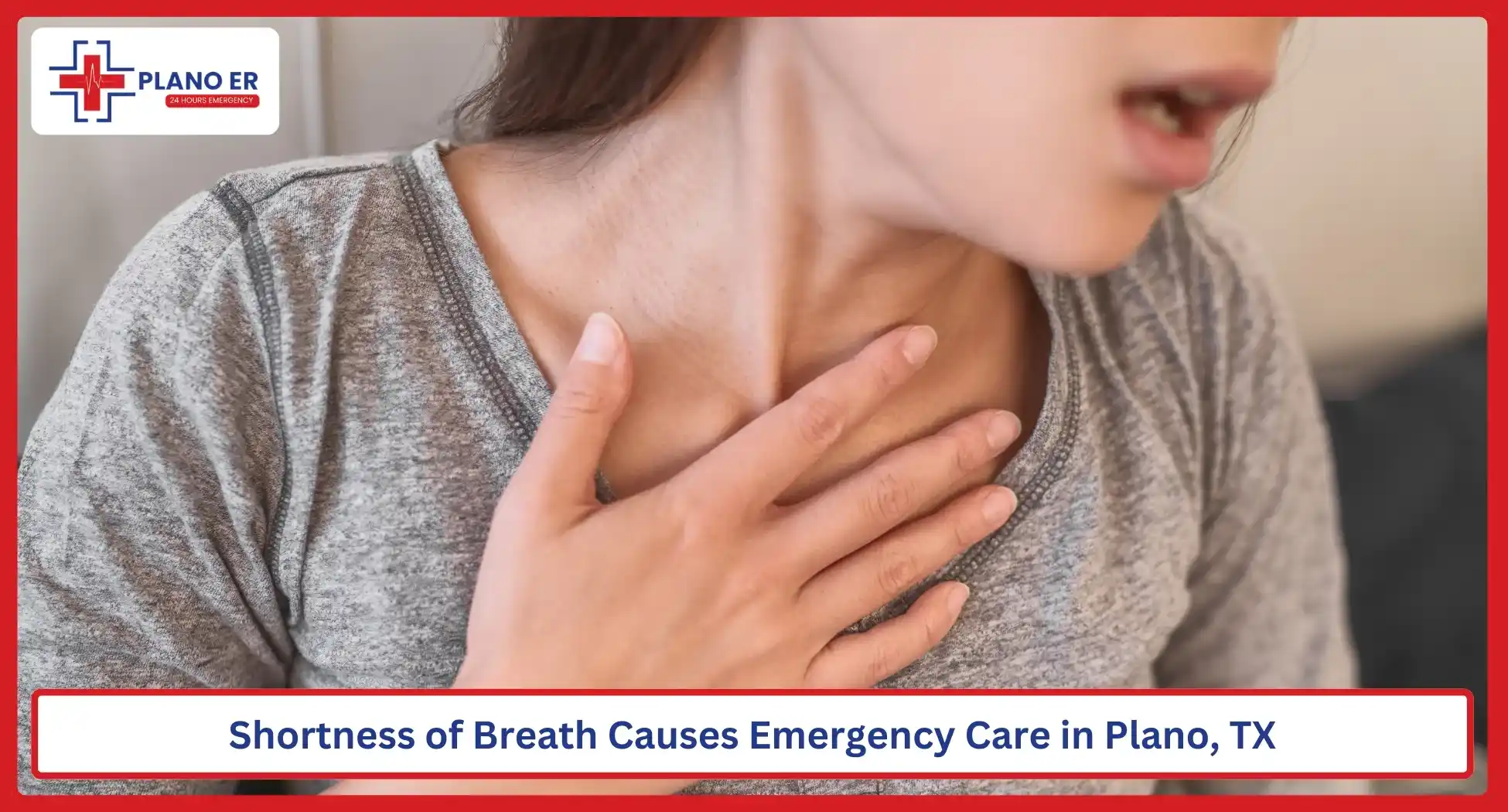
Shortness of breath, medically called dyspnea, ranges from a minor inconvenience to a life-threatening emergency. This guide covers the most common causes, the warning signs that mean emergency care, and how Plano ER diagnoses and treats breathing problems 24/7 with no wait times.
If someone is in severe distress right now, cannot speak full sentences, has blue lips or fingertips, or is losing consciousness, call 911 immediately. Do not drive.
What Is Shortness of Breath?
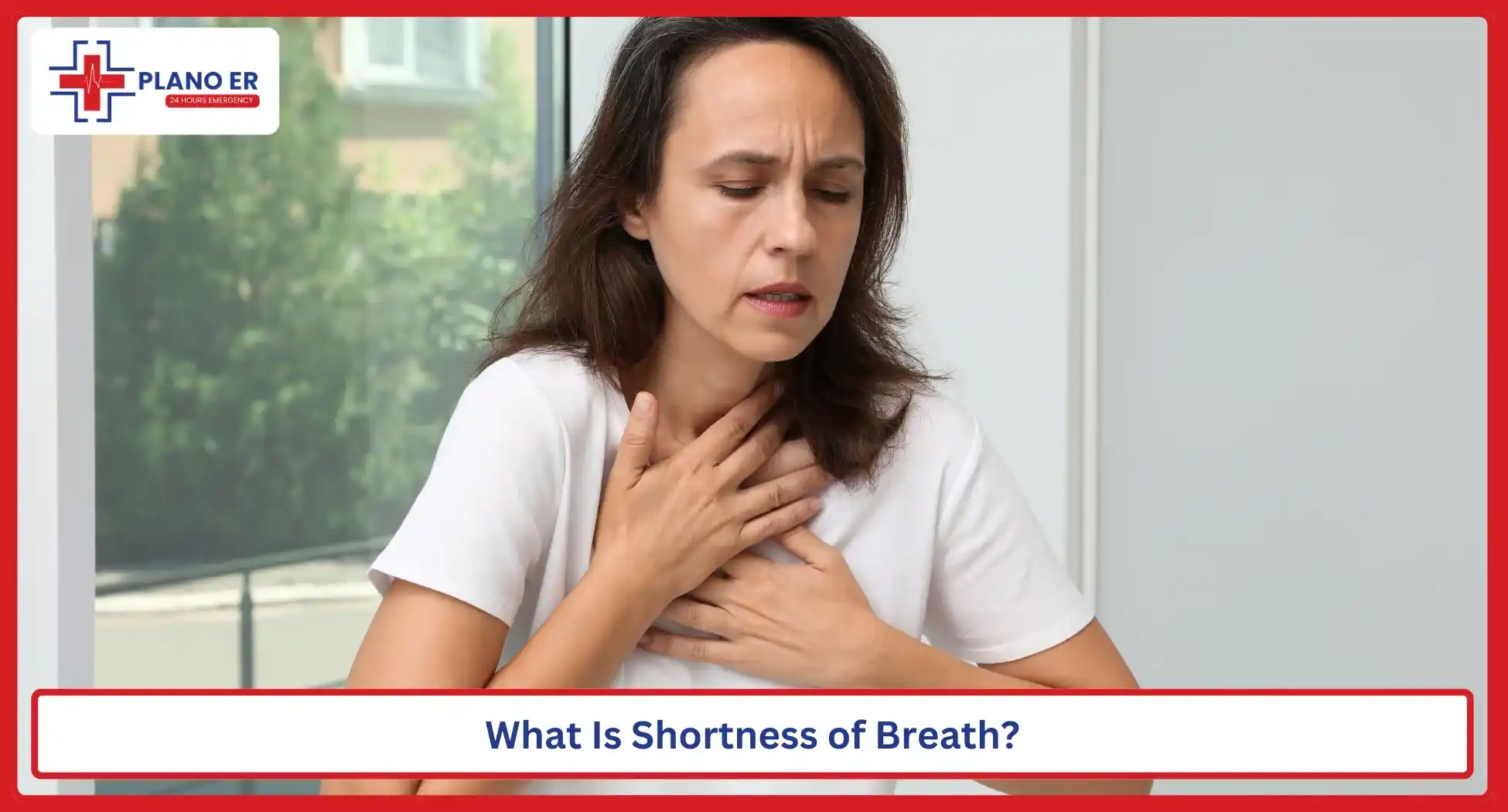
Shortness of breath is the feeling that you cannot get enough air. It can show up as an inability to take a deep breath, a sense of suffocation, rapid shallow breathing, chest tightness, or air hunger.
Acute vs. Chronic
Acute shortness of breath comes on quickly, within minutes or hours, and is more likely to signal something serious. Chronic shortness of breath develops over weeks or months and usually relates to an underlying condition. Either way, breathing problems deserve attention. The body has limited reserve once breathing becomes difficult, and early evaluation produces the best outcomes.
Common Non-Emergency Causes
Anxiety and Panic Attacks
Anxiety can trigger rapid, shallow breathing and a sense of suffocation. These episodes are deeply uncomfortable but not physically dangerous. The catch: they can look very similar to serious medical emergencies. If you have never experienced a panic attack before, get evaluated rather than assuming.
Mild Asthma Flare-Ups
Asthma narrows the airways and makes breathing difficult. Mild flares often respond to your usual management. If symptoms are worsening or your usual approach is not working, it has become an emergency.
Other Common Causes
- Allergies: Nasal congestion and mild airway irritation can cause mild breathing difficulty. Severe allergic reactions are a different story and a true emergency.
- Deconditioning: Lost cardiovascular fitness makes previously easy activities feel breathless. This improves with gradual activity.
- Anemia: Low red blood cell counts reduce oxygen delivery, causing breathlessness with exertion. A simple blood test diagnoses it.
- Acid reflux: Reflux can irritate the airways and create a sense of tightness, especially after meals or when lying down.
- Pregnancy: Hormonal changes and a growing uterus cause mild breathlessness, especially in the third trimester. New severe shortness of breath in pregnancy, however, always needs evaluation because pregnancy raises blood clot risk.
- Excess weight: Extra weight increases the workload of breathing.
Emergency Causes of Shortness of Breath
These conditions are life-threatening. If you suspect any of them, come to Plano ER or call 911 immediately.
Heart Attack
Shortness of breath is a common heart attack symptom, sometimes without any chest pain at all, particularly in women, older adults, and people with diabetes. Do not wait if a cardiac cause is possible.
Blood Clot in the Lungs
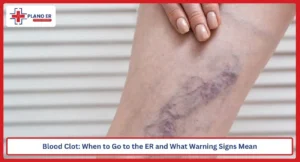
A clot that travels to the lungs blocks blood flow and causes sudden, severe shortness of breath, often with chest pain. Risk is higher after surgery, long travel, during pregnancy, or with cancer. This requires immediate emergency treatment.
Severe Asthma Attack
An asthma attack that does not respond to your usual management is a true emergency that can be fatal without treatment.
Pneumonia
This serious lung infection causes shortness of breath, fever, cough, and chest pain. Severe cases require hospitalization. Fluid and inflammation around the airways can appear on imaging as findings such as peribronchial cuffing, which our physicians evaluate to identify the underlying cause.
Severe Allergic Reaction
Throat and airway swelling from anaphylaxis can progress to suffocation within minutes. This is a life-threatening emergency.
Heart Failure
When the heart cannot pump effectively, fluid backs up into the lungs, causing breathlessness that is often worse when lying down. This backup, known as pulmonary vascular congestion, signals an underlying cardiovascular problem that needs urgent evaluation.
Collapsed Lung
A pocket of air outside the lung prevents it from expanding, causing sudden sharp chest pain and shortness of breath. It can occur spontaneously or after an injury.
Respiratory Infections
COVID-19, RSV, severe flu, and other respiratory infections can cause significant breathing difficulty. Persistent or worsening symptoms need evaluation, as does any sudden worsening of a chronic lung condition.
When to Call 911 vs. Walk In
Call 911 Immediately For:
- Sudden severe shortness of breath developing within minutes
- Chest pain or pressure with breathing trouble
- Blue lips, face, or fingernails
- Confusion, dizziness, or loss of consciousness
- Inability to speak full sentences
- Rapid swelling of the face, lips, throat, or tongue
- Coughing up blood
- Sudden onset after long travel or recent surgery
- Stroke symptoms alongside breathing trouble, including facial drooping, arm weakness, or slurred speech
Walk In to Plano ER For:
- Persistent shortness of breath that will not resolve
- Shortness of breath with fever
- New breathlessness you have never experienced before
- Breathlessness with cough or wheezing
- Worsening of a known chronic breathing condition
- Shortness of breath after a recent injury or surgery
- Breathing concerns in someone with heart disease, lung disease, or diabetes
- Mild to moderate symptoms lasting more than a few hours
- Any breathing concern after hours when your doctor is unavailable
When in doubt, get evaluated. Breathing problems can escalate quickly.
How Plano ER Diagnoses Shortness of Breath
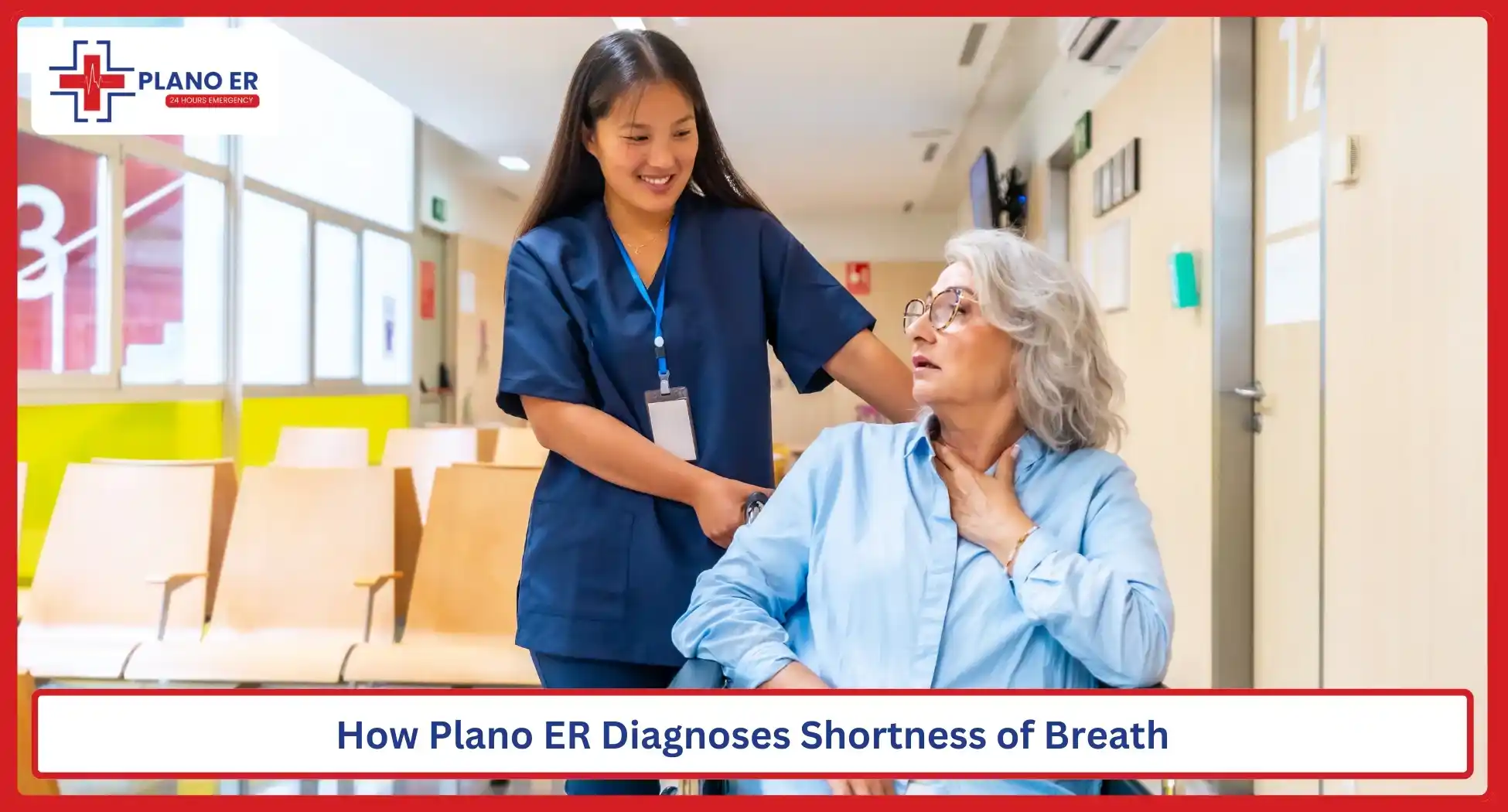
You are seen within minutes of arrival. Our board-certified emergency physician reviews your symptoms, history, and triggers, then performs a focused exam: listening to your lungs and heart, checking circulation, and observing your breathing pattern.
The full diagnostic workup happens on-site:
- Pulse oximetry and vital signs to check oxygen saturation immediately
- EKG to identify cardiac causes, including heart attack and rhythm problems
- Chest X-ray to detect pneumonia, fluid in the lungs, or a collapsed lung
- CT scan when a blood clot or other serious lung condition is suspected, with results in minutes
- Lab testing, including cardiac markers, clot screening, and blood counts, with results in minutes rather than hours
- Bedside ultrasound to evaluate heart function and detect fluid around the lungs
How Plano ER Treats Breathing Emergencies
Treatment targets the underlying cause, not just the symptom.
- Oxygen therapy is delivered immediately when oxygen saturation is low, one of the fastest ways to relieve respiratory distress.
- Breathing treatments open the airways and provide rapid relief for asthma and wheezing.
- Cause-specific treatment begins as soon as the diagnosis is established, which resolves symptoms faster and prevents complications.
- Hospital transfer is coordinated seamlessly when ICU care, surgery, or extended observation is needed. You are stabilized first, and all records transfer with you.
Shortness of Breath in Special Populations
Children
Breathing trouble in children often shows as fast breathing, grunting, nasal flaring, or visible pulling in of the chest muscles between the ribs. Common causes include asthma, viral infections, and RSV. We treat children of all ages.
Pregnant Women
Mild breathlessness is normal in pregnancy. New severe shortness of breath is not, because pregnancy raises the risk of blood clots. Get evaluated promptly.
Older Adults
Shortness of breath in adults over 65 is more likely to be heart-related, and heart attacks in this group often present without classic chest pain. Do not dismiss new symptoms as just aging.
People With Chronic Heart or Lung Conditions
Any sudden worsening of a known condition should be evaluated. Acute flares of chronic conditions can become life-threatening quickly.
Visit Plano ER
Address: 7940 Custer Rd, Plano, TX 75025
Phone: +1 972-527-3000
Email: info@planoertx.com
Hours: Open 24/7, every day of the year
Serving Plano, Frisco, Allen, McKinney, Richardson, Carrollton, and surrounding North Texas communities. No appointment needed and no wait times. If symptoms are severe, call 911 rather than driving.
[CALL NOW: +1 972-527-3000] [WALK IN NOW] [GET DIRECTIONS]
Frequently Asked Questions
What are common causes of shortness of breath?
Common non-emergency causes include anxiety, mild asthma, allergies, deconditioning, anemia, acid reflux, and pregnancy. Serious causes include heart attack, blood clots in the lungs, severe asthma attacks, pneumonia, severe allergic reactions, and heart failure.
When should I go to the ER for shortness of breath?
Immediately for sudden severe breathlessness, breathing trouble with chest pain, blue lips or fingernails, confusion, inability to speak full sentences, or rapid facial or throat swelling. Walk in for persistent, new, or worsening breathlessness even without those critical signs.
Can anxiety cause shortness of breath?
Yes. Anxiety and panic attacks commonly cause rapid breathing and a sense of suffocation. But anxiety should never be assumed until serious medical causes have been ruled out. If you are not sure, get evaluated.
How does Plano ER diagnose shortness of breath?
With pulse oximetry, EKG, chest X-ray, CT scanning, lab testing, and bedside ultrasound, all on-site with results in minutes. A board-certified emergency physician evaluates every patient immediately on arrival.
Is shortness of breath always an emergency?
No, but it should never be ignored. Mild breathlessness from exertion or a known, stable condition can be managed at home. New, sudden, or severe shortness of breath is always an emergency. Call 911 or walk in.